Chengdu
City Overview
Chengdu at a Glance
Chengdu is the capital of Sichuan province and the cradle of the ancient Shu civilization — a region so fertile it's been called the "Land of Abundance" for over two thousand years. History lives here in temples honoring Three Kingdoms heroes and the cottage of China's most beloved poet. But Chengdu isn't stuck in the past. Today it's a laid-back, food-obsessed city where locals while away afternoons in bamboo teahouses and chase the perfect bite of hot pot after dark. Don't miss the giant panda breeding base, the atmospheric alleys of old town, and the simple pleasure of sitting still with a cup of tea.
4 days recommended
Recommended StayMarch to June, September to November
Best Time to VisitOver 2,300 years of history
Years of History
Can't-Miss Attractions

Chengdu Research Base of Giant Panda Breeding
The best place in the world to see giant pandas up close. Watch them munch bamboo, tumble down hills, and nap in trees. The Moon Nursery is where you'll find the tiniest cubs. Go before 9 AM — pandas are most active in the early morning and sleep through the afternoon heat.
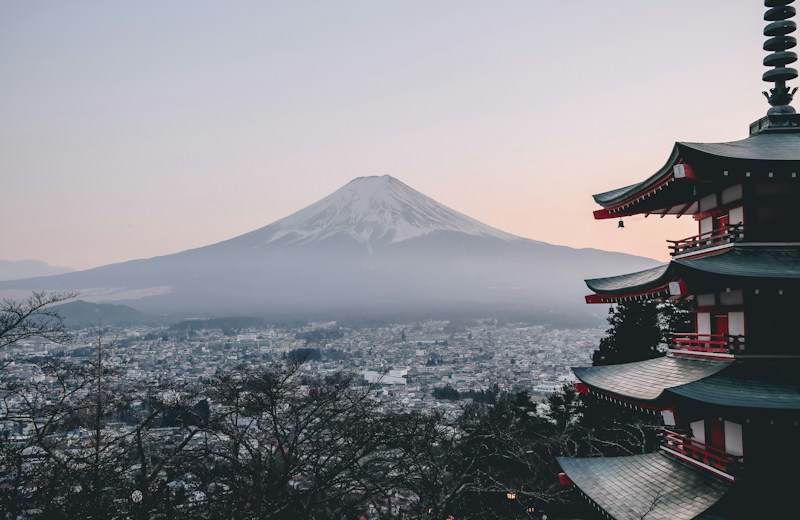
Kuanzhai Alleys
Three parallel Qing-era alleyways — Wide, Narrow, and Well — packed with teahouses, Sichuan street food, opera performances, and boutique shops. Come at night when the red lanterns glow and the crowds fill the streets for the full atmosphere.

Jinli Ancient Street
A lively pedestrian street right next to Wuhou Shrine, done up in the style of the Three Kingdoms period (220–280 AD). Stone paths, hanging red lanterns, and endless snack stalls — especially pretty after dark. Grab a bowl of spicy tofu pudding or a candied hawthorn skewer while you browse.
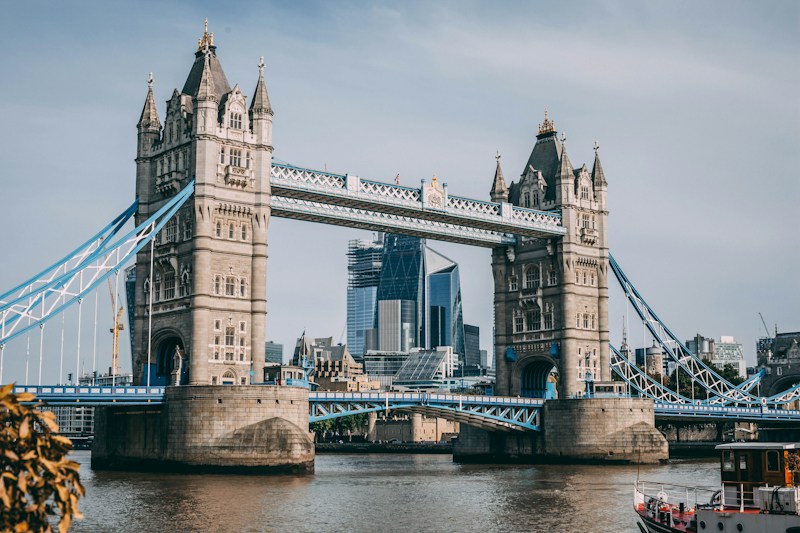
Wuhou Shrine
China's only temple built to honor both a ruler and his minister — Liu Bei, emperor of the Shu Kingdom, and Zhuge Liang, his legendary strategist from the Three Kingdoms era. Don't miss the famous red wall lined with bamboo, one of Chengdu's most photographed spots.
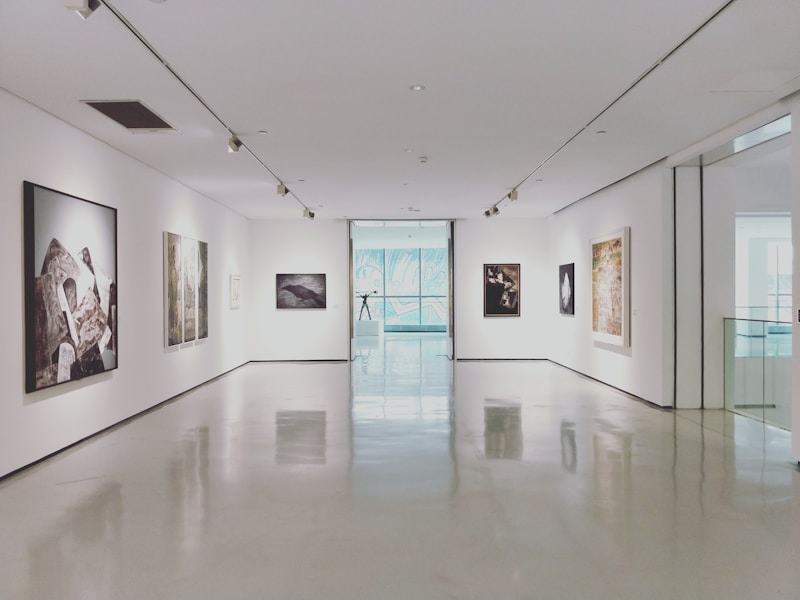
Du Fu Thatched Cottage
The former home of Du Fu, one of China's greatest classical poets, who lived here in the 8th century. The original thatched cottage is long gone, but the peaceful bamboo garden, reflecting ponds, and calligraphy-strewn halls make it one of the most beautiful spots in Chengdu. Perfect for a quiet escape from the city.

Dujiangyan Irrigation System
An engineering marvel built in 256 BC that still controls the flow of the Min River today — no dam required. It turned flood-prone Sichuan into the fertile "Land of Abundance." Pair it with a hike up nearby Mount Qingcheng, a sacred Taoist mountain famous for its quiet forests and ancient temples.
Local Food Scene
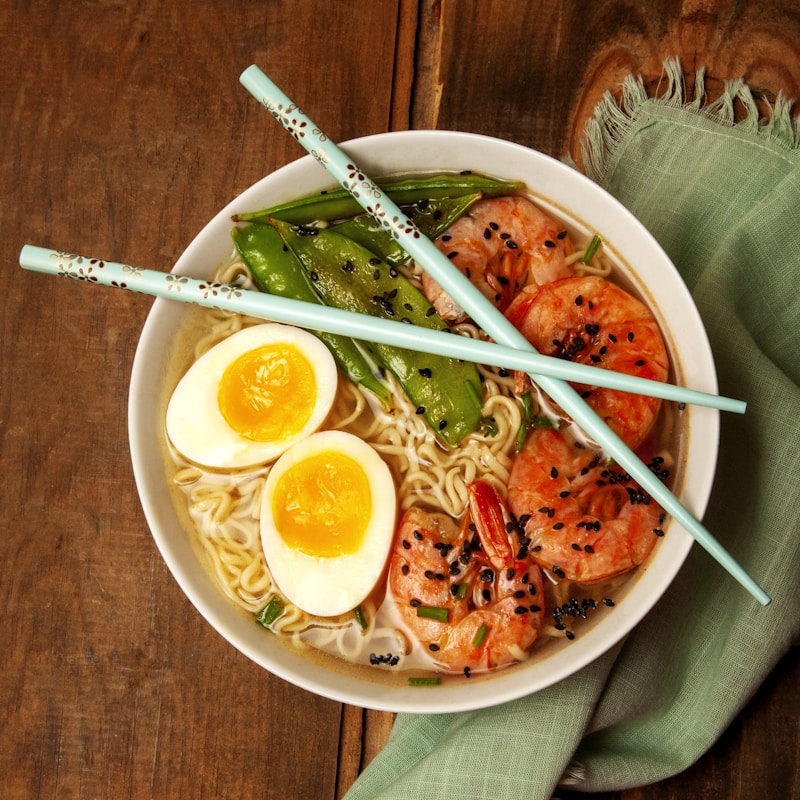
Sichuan Beef Tallow Hot Pot
Rich, deep-red hot pot simmering with beef tallow, Sichuan peppercorns, and dried chilies — the signature numbing-spicy "mala" flavor Sichuan is famous for. Order the classic trio: beef tripe, duck intestine, and yellow throat. Dip everything in a sesame oil and garlic bowl to cool the heat.
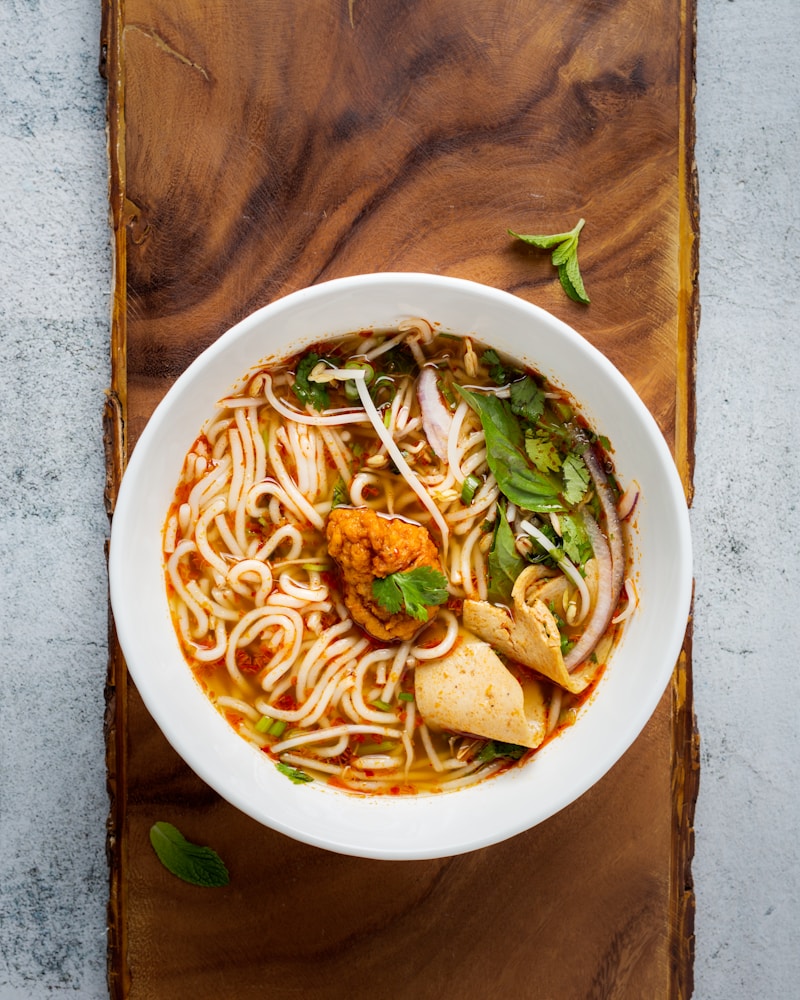
Cold Pot Skewers (Chuanchuan Xiang)
Ingredients from meat to veggies to tofu — all skewered and cooked in a spicy Sichuan broth, served ready to eat. It's like hot pot but faster and cheaper. Pair with a bowl of icy rice jelly dessert (bingfen) to balance the heat.

Dan Dan Noodles
Thin wheat noodles tossed in a savory sauce of ground pork, chili oil, and Sichuan peppercorn — named for the street vendors who once carried them in baskets on shoulder poles. Numbing, spicy, and deeply savory, it's the classic Chengdu breakfast.

Hand-Rubbed Ice Jelly (Bing Fen)
A jiggly, translucent jelly made from a type of fig, hand-rubbed for texture. Topped with brown sugar syrup, glutinous rice cakes, hawthorn flakes, and crushed peanuts. Sweet, cool, and absolutely essential after a hot pot meal.

Zhong Dumplings
Pork dumplings in a glossy, sweet-spicy chili oil sauce — the signature dish of a century-old shop founded by a man named Zhong Shaobai. Thin skins, juicy filling, and that addictive chili oil make them a Chengdu staple.
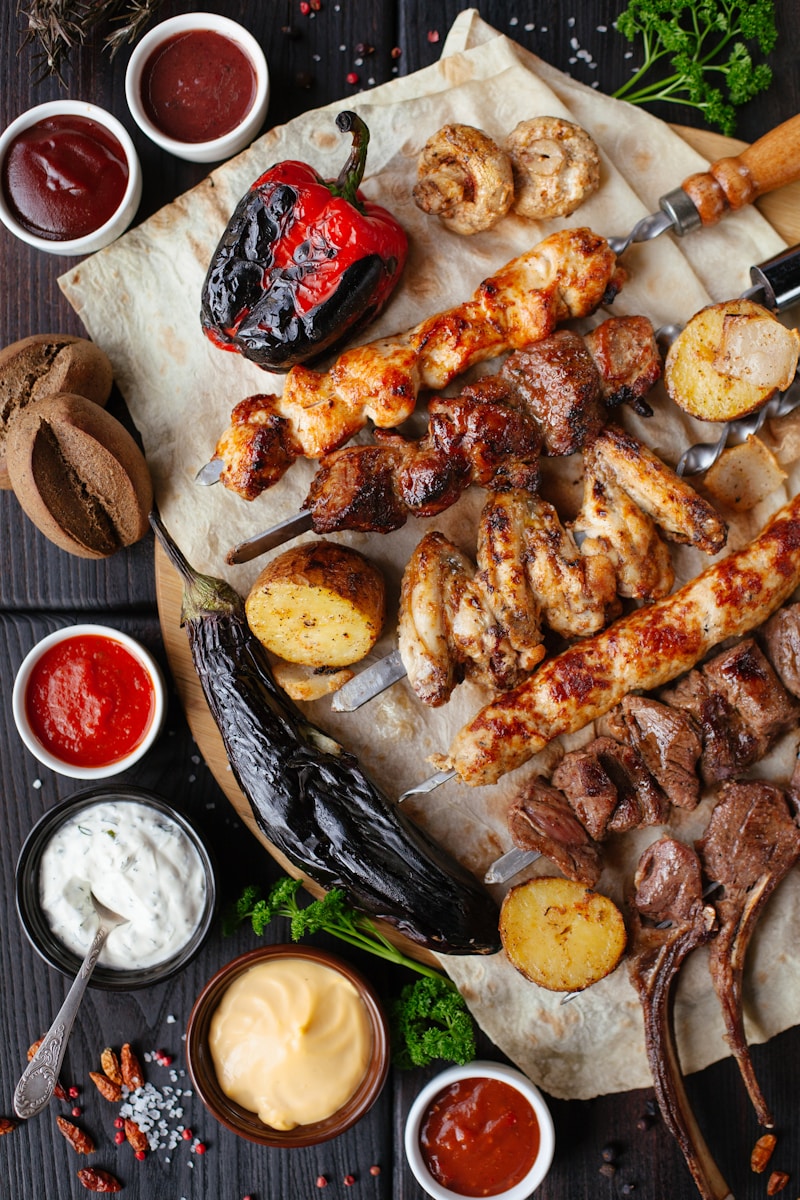
Spicy Rabbit Head
Braised rabbit heads in five-spice or numbing-spicy flavor — a Chengdu late-night staple and the ultimate drinking snack. It takes work to eat (you nibble the meat from the cheeks and palate), but locals swear by it. Not for the squeamish.
Suggested Itinerary
Day 1Old Town & Cultural Sights
- MorningWuhou Shrine — explore the Three Kingdoms temple and snap photos by the red wall with bamboo
- NoonWander Jinli Ancient Street and graze your way through Sichuan snacks
- AfternoonDu Fu Thatched Cottage — stroll the peaceful bamboo garden
- EveningKuanzhai Alleys — feel the vibe of old Chengdu street life
- DinnerSichuan beef tallow hot pot at a nearby restaurant
Day 2Pandas & Local Life
- Early morningGiant Panda Breeding Base — go early for the most active pandas
- NoonLunch near the base, then head back downtown for a rest
- AfternoonGaiwan tea at Heming Teahouse in People's Park — try the ear-cleaning service for a true local experience
- EveningShopping on Chunxi Road and Taikoo Li — snap a photo with the climbing panda on the IFS building
- NightLive music bar on Yulin Road for a taste of Chengdu nightlife
Day 3Dujiangyan Day Trip
- MorningIntercity train to Dujiangyan to see the 2,200-year-old irrigation system
- NoonTry local cold-water fish and hand-rubbed ice jelly in Dujiangyan town
- AfternoonHike the front mountain of Mount Qingcheng — famous for its quiet Taoist temples
- EveningHigh-speed train back to Chengdu — end of day trip
Practical Tips
🚄Getting Around
- •Both Shuangliu and Tianfu airports have direct metro lines downtown
- •The metro reaches all major sights — pick up a Tianfu Transit Card or use Alipay
- •Downtown sights are close together — taxis and shared bikes are easy options
- •Take the intercity train to Dujiangyan, transfer at Xipu Station
🏨Where to Stay
- •Best area: Chunxi Road / Taikoo Li — central, great for shopping and transit
- •Quieter pick: near Kuanzhai Alleys or Qingyang Palace
- •Yulin neighborhood — super local, tons of great food
- •Book 1-2 weeks ahead during peak season (spring & fall)
💡Good to Know
- •See pandas in the morning — they sleep most of the afternoon
- •Ask for "mild" (wei la) when ordering hot pot — local spice levels are intense
- •Summers are humid and hot, winters are damp and cold — pack accordingly
- •Teahouses are cheap and everywhere — don't miss the experience