Chengdu
At a Glance·城市印象
Donde el ritmo se relaja y la vida sabe mejor
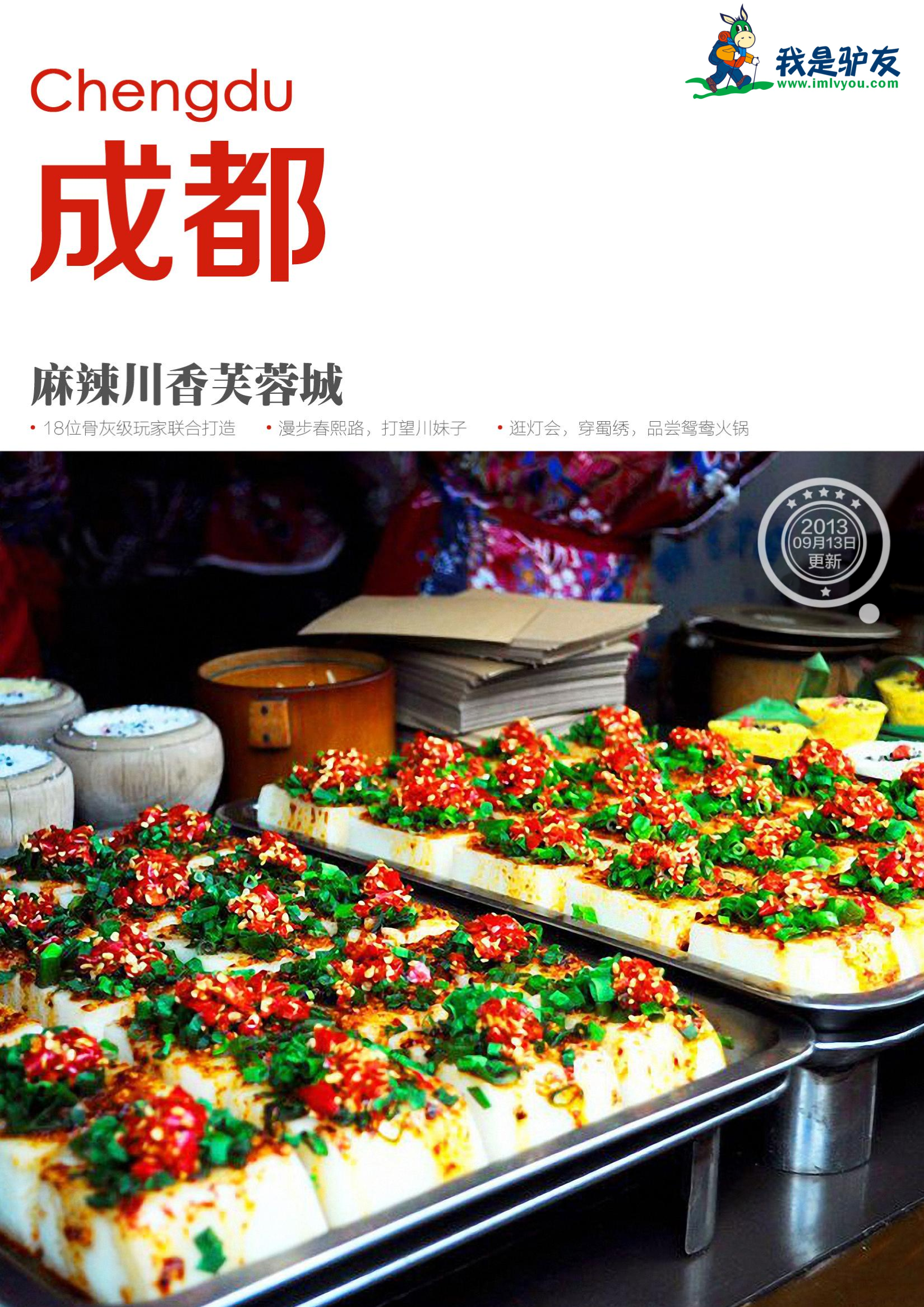
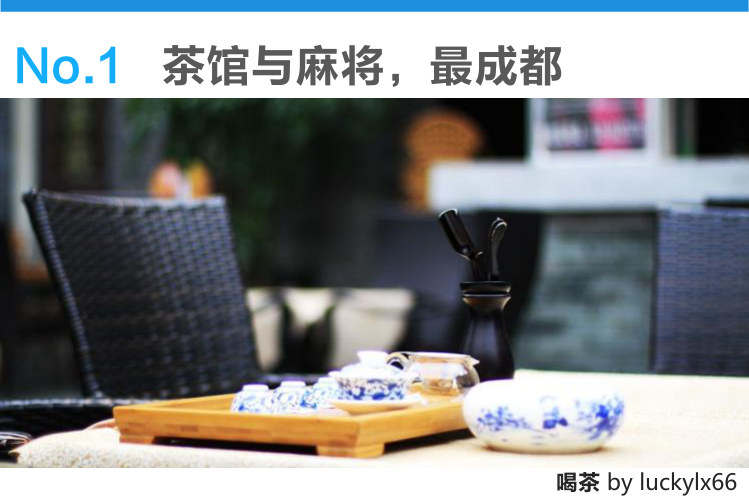
Chengdu se asienta en el centro de la cuenca de Sichuan, nutrida durante dos milenios por las obras de riego de Dujiangyan. Es una ciudad donde la vida va despacio: los locales pasan las tardes con té en gaiwan y mahjong, y de noche se lanzan al hot pot y a los bares del puente Jiuyan. La UNESCO la nombró Ciudad de la Gastronomía, y desde la base de cría de pandas hasta los callejones antiguos de Kuanzhai, cada rincón premia un paso tranquilo. Ven por los pandas, quédate por el té.
Attractions·必游景点
Los iconos y rincones ocultos que definen Chengdu
Chengdu Research Base of Giant Panda Breeding
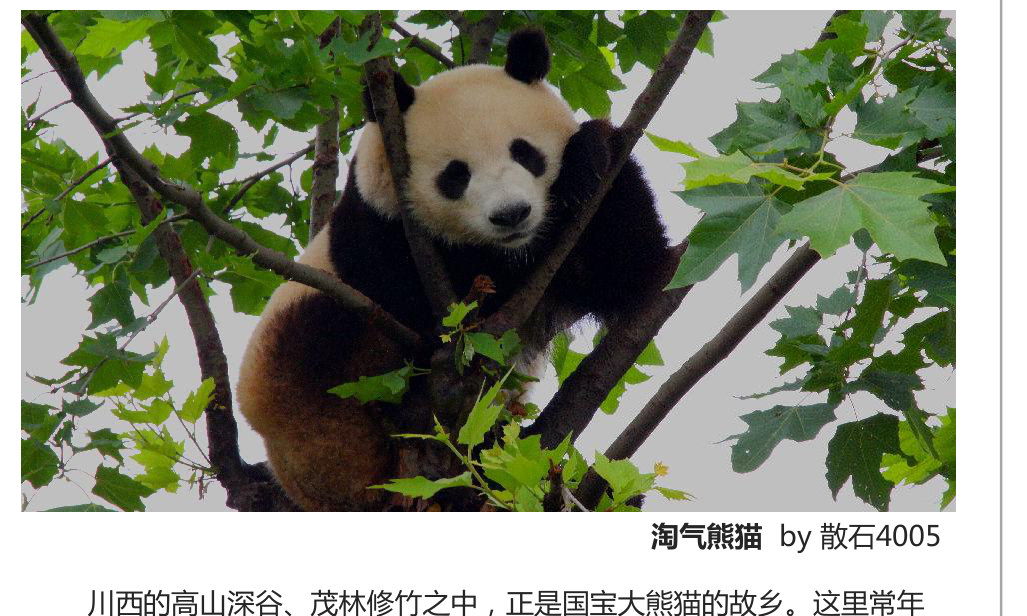
The world's best place to see giant pandas up close. The base recreates the bears' wild habitat with bamboo groves and shady gardens, home to more than 20 giant pandas plus red pandas, black-necked cranes, and swans. Watch them tumble, munch bamboo, and nap in the trees — the Moon Nursery holds the tiniest cubs. Arrive before 9 AM; pandas are most active in the morning and doze through the afternoon heat.
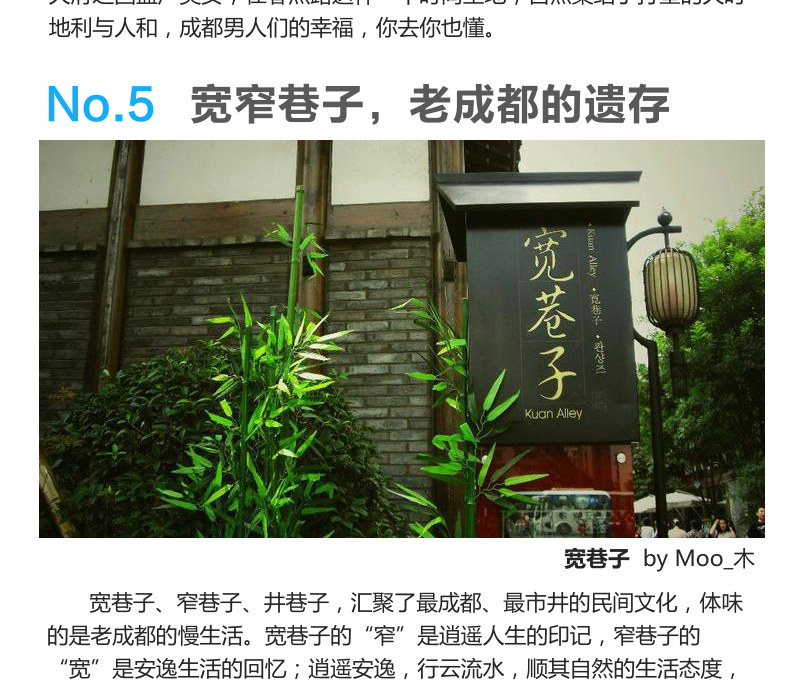
Kuanzhai Alleys
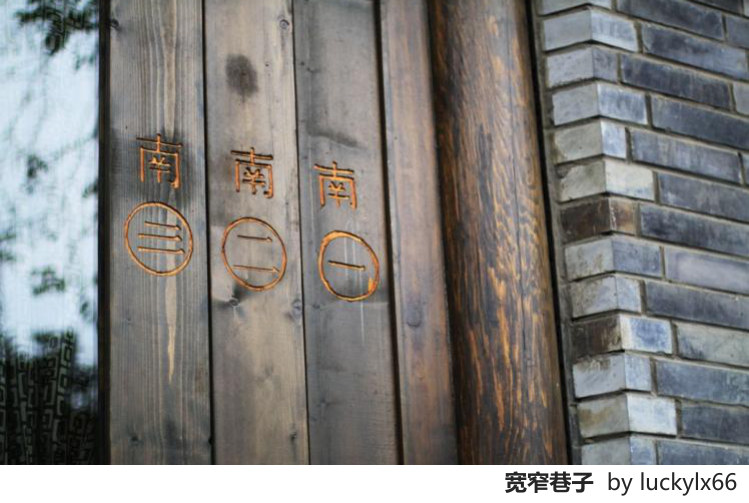
Three parallel Qing-era alleys — Wide (Kuan), Narrow (Zhai), and Well (Jing) — form the last surviving slice of Chengdu's "lesser walled city." The relaxed life of Kuan Alley, the slow life of Zhai, and the new life of Jing blend old teahouses, Sichuan snacks, folk art, and boutique shops. Go early for clean photos, or on a sunny afternoon to drink gaiwan tea, watch locals play cards, and have your ears cleaned — the most Chengdu thing you can do.
Jinli Ancient Street
Known as the "First Street of Western Shu" and called Chengdu's version of a Qingming Festival riverside scroll, this 400-meter lane is packed with folk architecture, snack stalls, bars, and craft shops as part of Wuhou Shrine Museum. Come at dusk when the red lanterns light up and the street turns magical — the night view is the real event. Grab a bowl of spicy tofu pudding or a candied hawthorn skewer while you browse.
Wuhou Shrine
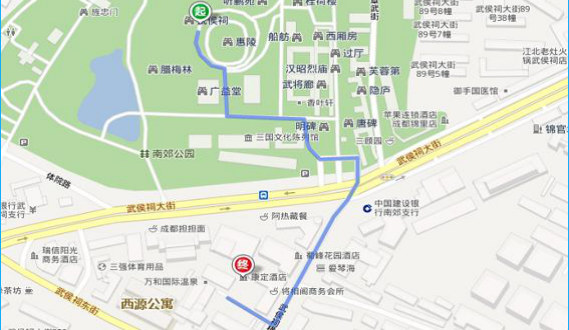
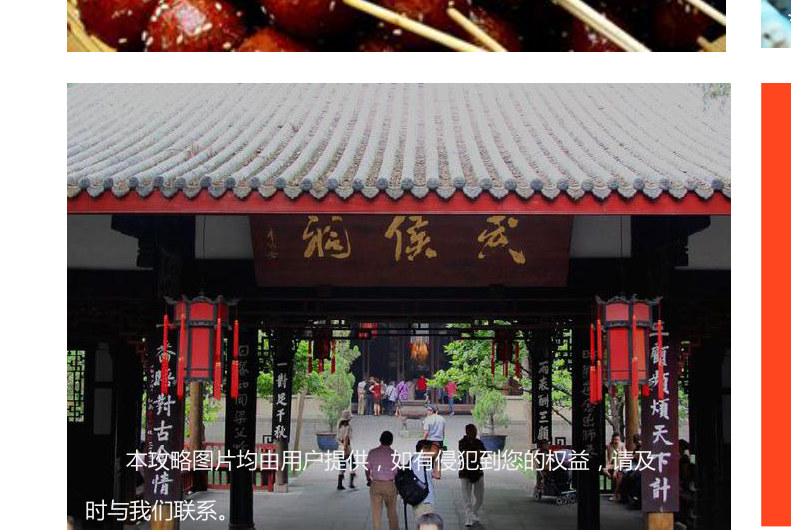
First built in 223 AD alongside the tomb of Liu Bei, this is China's only temple honoring both a ruler and his minister — Emperor Liu Bei and his legendary strategist Zhuge Liang of the Shu Kingdom, plus the heroes of the Three Kingdoms era. The complex centers on Huiling (Liu Bei's tomb), Han Zhaolie Temple, and Wuhou Shrine itself, set among ancient cypresses and grand halls. Don't miss the famous red wall lined with bamboo (hongqiang zhuying), one of the most photographed spots in Chengdu.
Du Fu Thatched Cottage
On the bank of Huanhua Creek, this is the former home of Du Fu, the Tang Dynasty poet who fled the An Lushan Rebellion and arrived here in the winter of 759 AD. He lived in this thatched cottage for nearly four years and wrote more than 240 surviving poems. The original hut is long gone — the poet Wei Zhuang rediscovered its site during the Five Dynasties — but the walled garden of bamboo groves, lotus ponds, and calligraphy halls is one of the most peaceful spots in Chengdu.
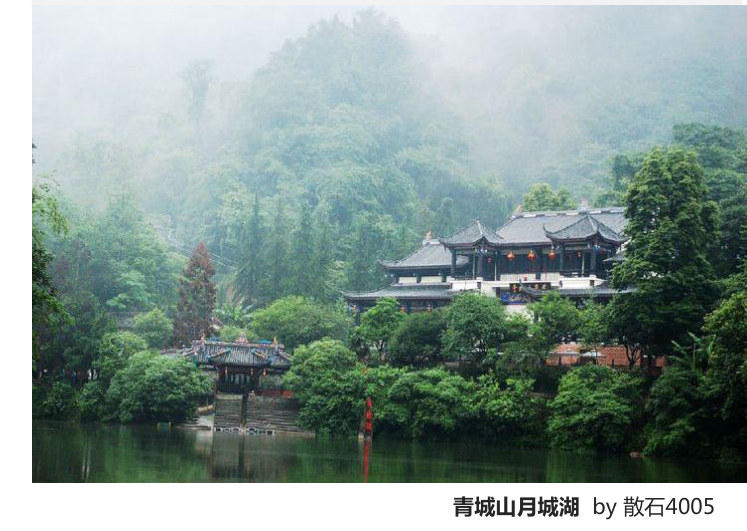
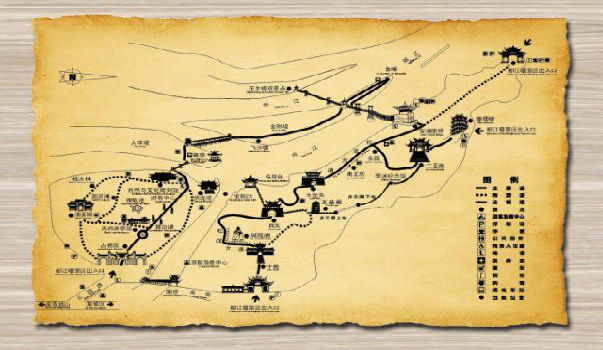
Dujiangyan Irrigation System
The world's oldest dam-free irrigation system still operating — built around 256 BC by Li Bing and his son to tame the flood-prone Min River and turn Sichuan into the fertile "Land of Abundance." Walk the classic route: Lidui Park → Yango Path → Fulong Temple → Flying Sand Weir → Fish Mouth divider → Anlan Suspension Bridge → Erwang Temple. Pair it with Mount Qingcheng next door for a full day trip. A high-speed train from Chengdu gets you here in about 30 minutes.
Mount Qingcheng
One of the birthplaces of Chinese Taoism, listed with Dujiangyan as a UNESCO World Heritage site. The front mountain is famous for its Taoist temples — Shangqing Palace, Tianshi Cave, Jianfu Palace — set in deep, quiet forest that earned the saying "Qingcheng, the most serene under heaven." The back mountain is all waterfalls, ravines, and scenery. Hike or take the cable car up to Laojun Pavilion on the first peak for the classic route.
Chunxi Road
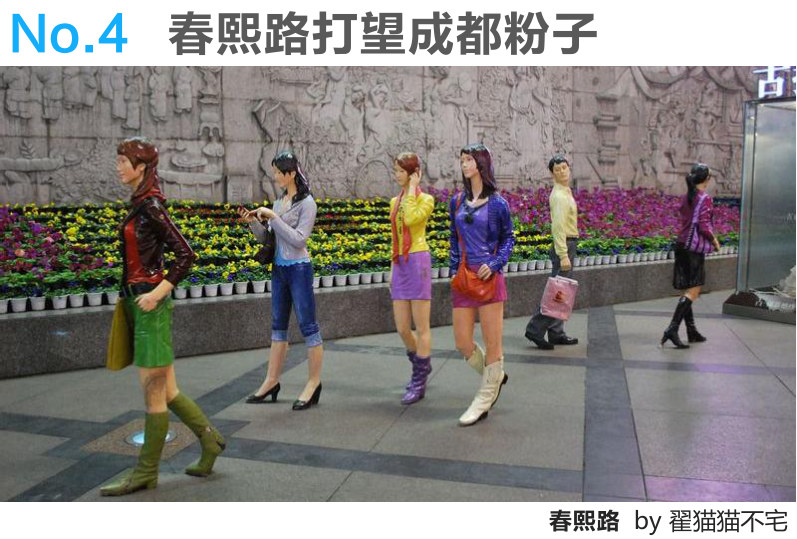
Chengdu's most famous shopping street, ranked the third-best commercial street in China — a century-old avenue of flagship stores, time-honored snack shops, and endless neon. Locals say it's where you go to "find gold, chase fashion, and admire the beauties." Don't miss the giant panda sculpture climbing the side of the IFS tower, one of Chengdu's signature photo spots, and the cluster of old Sichuan snack shops down the side alleys.
Local Flavors·地道美食
Qué comer en Chengdu y dónde encontrarlo
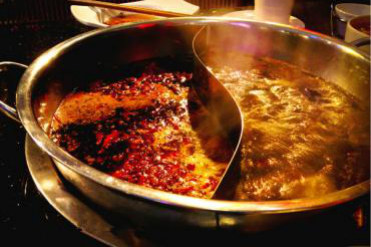
Sichuan Beef Tallow Hot Pot
The signature numbing-spicy "mala" flavor of Sichuan, simmering with beef tallow, Sichuan peppercorns, and dried chilies — the most famous dish to come out of this UNESCO City of Gastronomy. Try the classic "nine-grid" red pot (jiugongge) so each ingredient has its own compartment, and dip everything in a sesame oil and garlic bowl to cool the heat. Order the trio of beef tripe, duck intestine, and yellow throat. Not a spice fan? Go for the yuanyang half-and-half pot. Local favorites: Shu Jiuxiang, Huangcheng Laoma, Pang Ma Lan Huoguo.
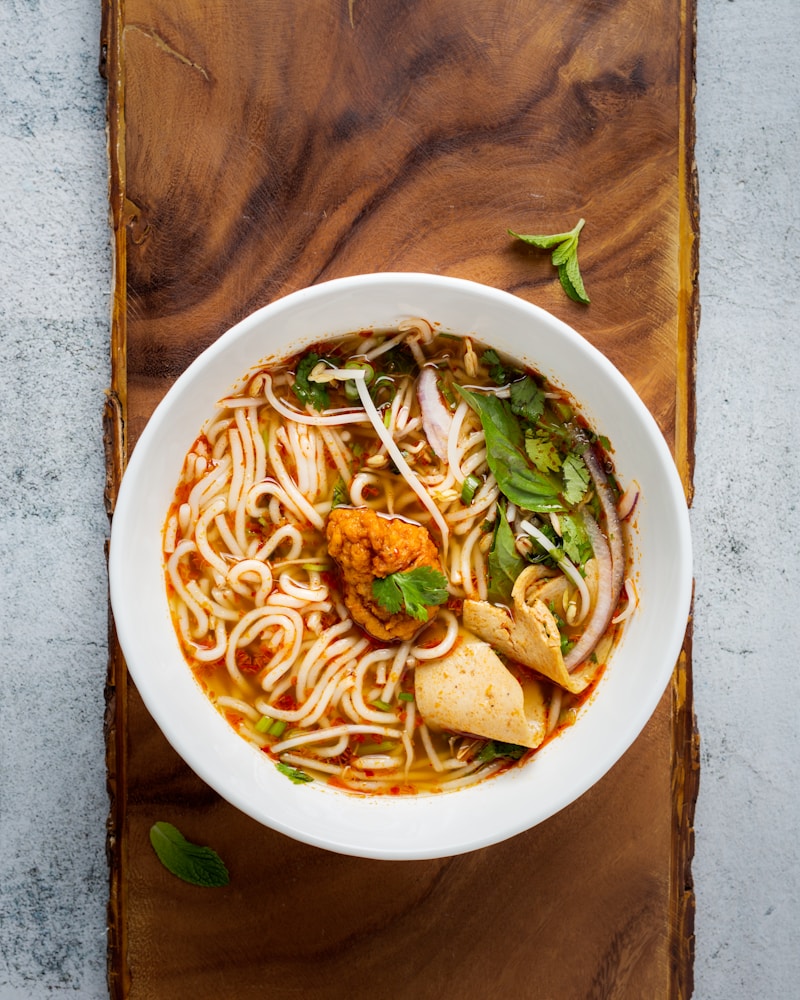
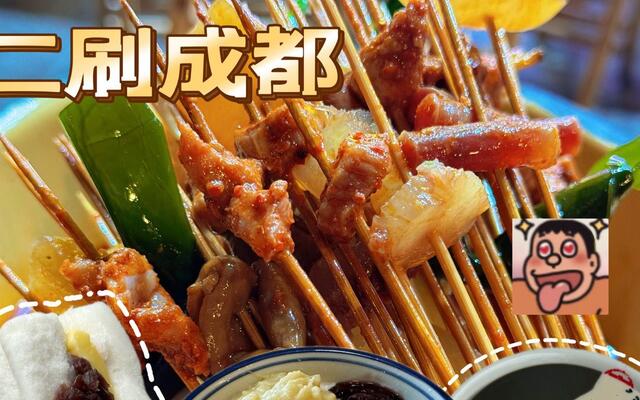
Skewer Hot Pot (Chuanchuan Xiang)
Chengdu's most grassroots street food — meat, veggies, and tofu skewered on bamboo sticks and cooked in a spicy red broth, then served ready to eat. It's hot pot in another form: faster, cheaper, and just as addictive. Count your empty sticks at the end — that's how you're billed. Pair with an icy bowl of bingfen (ice jelly) to put out the fire.
Dan Dan Noodles
Thin wheat noodles topped with savory fried ground pork, chili oil, and Sichuan peppercorn — named for the shoulder-pole (dan) baskets the old street vendors once carried. The noodles are thin, the sauce crisply savory, numbing and spicy, with a fragrant aroma that hits before the first bite. The old-school peddlers cooked noodles in one side of a divided copper pot and braised chicken or trotters in the other.
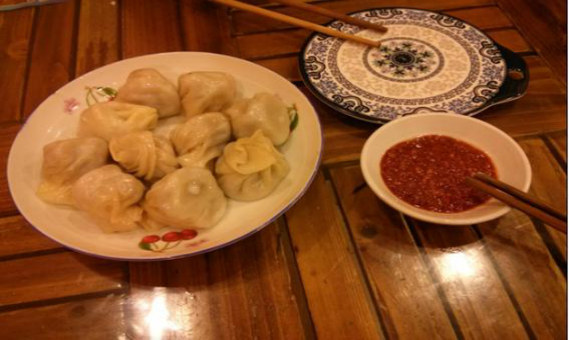
Hand-Rubbed Ice Jelly (Bing Fen)
A jiggly, translucent jelly made from the seeds of a type of fig, hand-rubbed for texture. Topped with brown sugar syrup, glutinous rice cakes, hawthorn flakes, and crushed peanuts. Sweet, cool, and absolutely essential after a hot pot or chuanchuan meal — the classic Chengdu way to cool the mala fire.
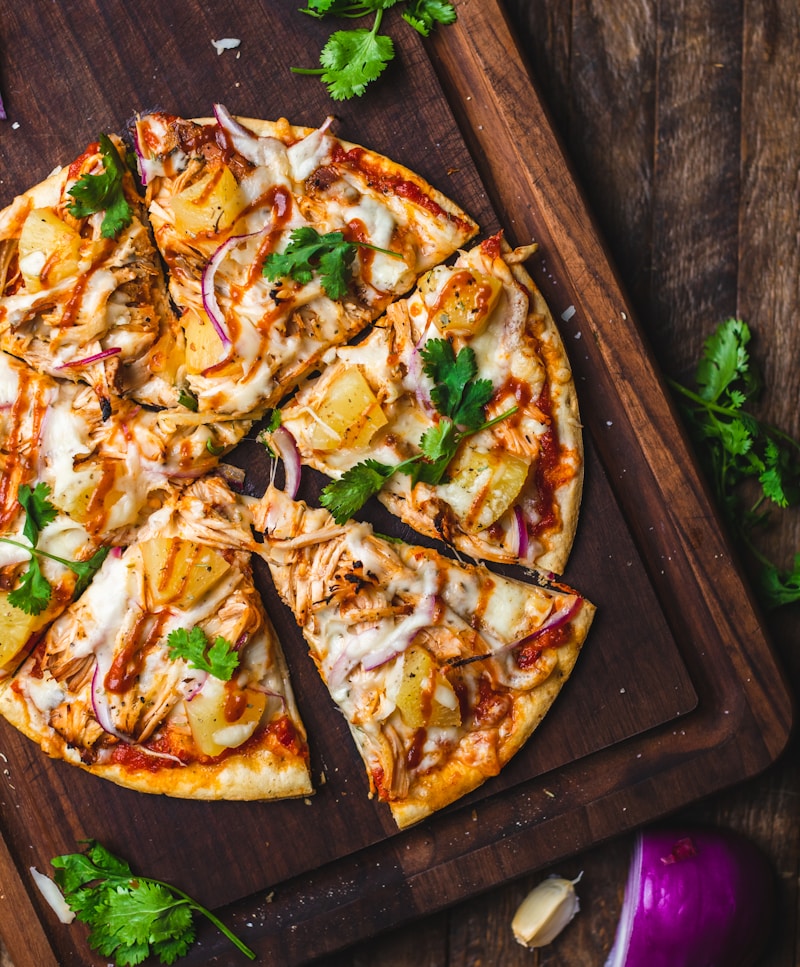
Zhong Dumplings
All-pork dumplings bathed in a glossy sweet-spicy chili oil sauce — the signature dish of a shop founded in 1893 by Zhong Shaobai. The skins are thin, the filling juicy, and the sauce sweet-salty with a heavy garlic kick. The original branch sits on Tidu Street, with convenient outposts near Wuhou Shrine and Wenshu Monastery serving other classic Chengdu snacks alongside.
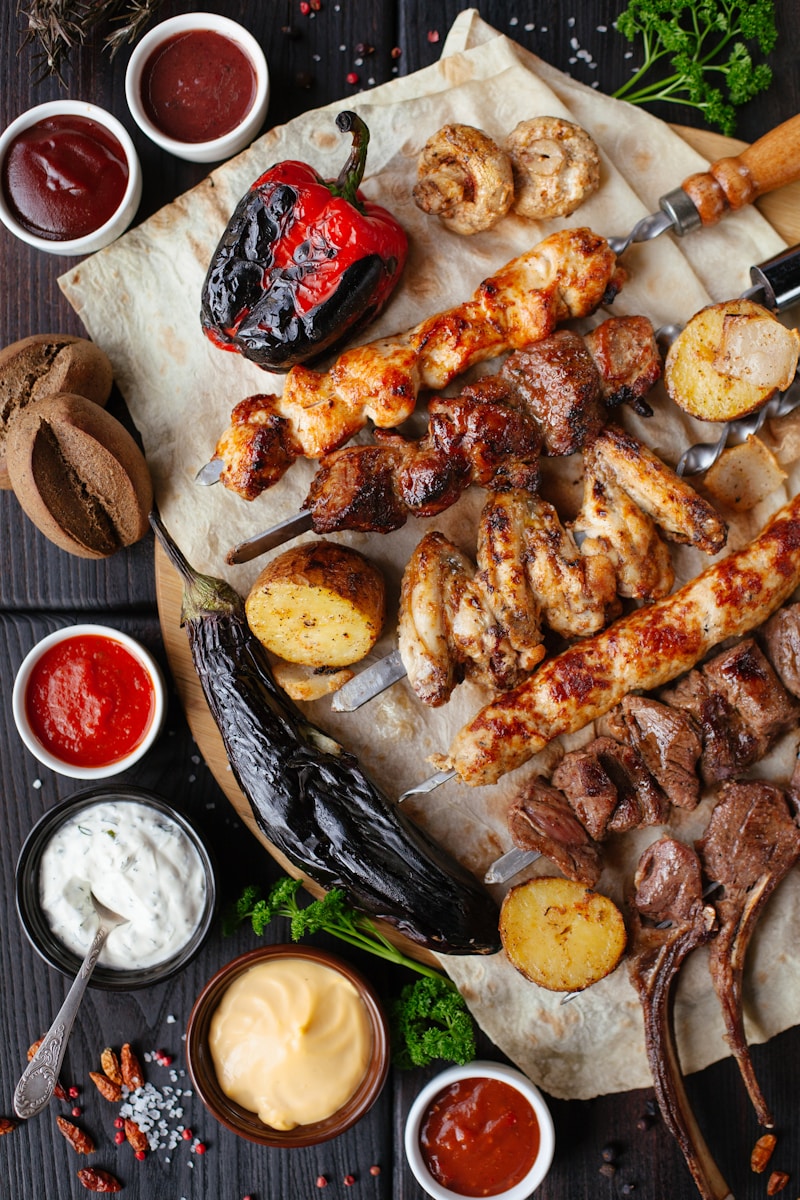
Spicy Rabbit Head
A late-night Chengdu obsession: rabbit heads braised in five-spice or numbing-spicy broth until the meat falls off the bone. Locals drive all the way out to Shuangliu for the most authentic version at "Lao Ma Tu Tou." It takes practice to eat — you nibble the meat from the cheeks and palate — but those who love it, love it, and it's the city's ultimate drinking snack.
Long Wontons (Long Chaoshou)
Chengdu's most famous wontons, founded in the 1940s on Chunxi Road — the name "Long" (dragon) is a pun on "nong" (rich abundance). The wrappers are rolled paper-thin and semi-translucent, the pork filling silky and tender, and the broth simmered from chicken, duck, and pork until it's white, rich, and fragrant. The flagship on Chunxi Road serves dozens of other Sichuan snacks alongside, though it's popular with tourists.
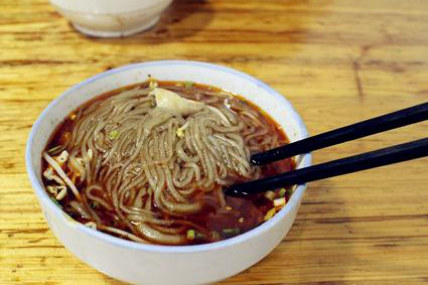
Intestine Glass Noodles (Feichang Fen)
Sweet-potato glass noodles in a rich broth of pork intestines and bones, topped with tender braised intestines, chili oil, and Sichuan peppercorn — the dish the movie A Good Rain Knows called essential: "if you haven't eaten intestine noodles, you haven't been to Chengdu." The noodles are springy, the broth deeply savory, and the recipe morphs easily into sour-spicy noodles or beef noodles. Try Gan Ji or Bai Jia Feichang Fen for the classic bowl, or follow locals to a hole-in-the-wall "fly restaurant."
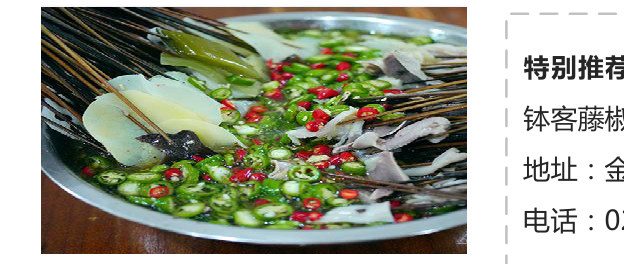
Bobo Chicken (Cold Skewers)
Cold skewers steeped in a fragrant, numbing chili-and-sesame oil broth and served from a clay bowl (boban) — a Leshan-born Sichuan classic. Tender boneless chicken and vegetables on sticks, intensely aromatic and refreshing cold.
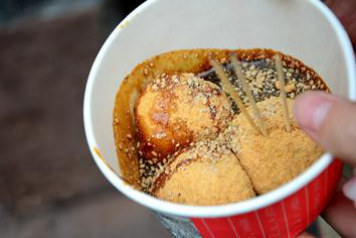
San Da Pao (Three Cannons)
A theatrical Chengdu dessert — sticky-rice balls slammed onto a brass plate (three loud 'bangs') so they bounce into roasted soybean-and-sesame powder, then bathed in brown-sugar syrup. Chewy, sweet, and half the fun is watching it made.
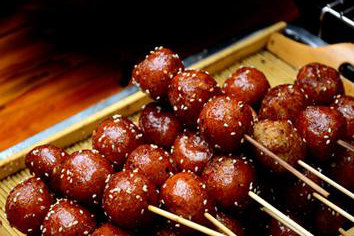
Tangyou Guozi (Syrup Fritters)
Skewered glutinous-rice fritters glazed in caramelized brown sugar and rolled in sesame seeds — glossy red-gold, shatteringly crisp outside and pleasantly chewy within. A beloved Chengdu street sweet.
Itinerary·推荐行程
Aprovecha al máximo tu tiempo en Chengdu
Día 1Three Kingdoms & Old Town Alleys
- MorningWuhou Shrine — China's only joint ruler-minister temple; snap the famous red-wall bamboo photo
- NoonWander Jinli Ancient Street and graze through snacks — three-da-pao, bowl chicken, spicy tofu pudding
- AfternoonKuanzhai Alleys — sit down for a cup of gaiwan tea, try the Sichuan ear-cleaning service, browse the folk-art shops
- EveningChunxi Road & IFS — shopping, street food, and a photo with the giant climbing panda
- DinnerSit down for Sichuan beef-tallow hot pot — order the nine-grid pot with a sesame-oil dip
Día 2Poets, Temples & Teahouse Life
- MorningDu Fu Thatched Cottage — stroll the bamboo garden where the Tang poet wrote 240+ poems
- Late morningQingyang Palace — Sichuan's top Taoist temple, holding the most complete Daoist scripture blocks in China; sip tea in the courtyard
- AfternoonWangjiang River Pavilion Park — gaiwan tea by the Jinjiang, with more than 100 kinds of bamboo overhead
- Late afternoonWenshu Monastery area — try sweet-water noodles, yellow bean jelly, and other old Chengdu snacks
- NightJiuyan Bridge bars — Chengdu's liveliest nightlife strip along the Fu River
Día 3Pandas & People's Park
- Early morningGiant Panda Breeding Base — arrive before 9 AM when pandas are most active; see the cubs at the Moon Nursery
- NoonLunch near the base or back downtown, then a short rest
- AfternoonHeming Teahouse in People's Park — gaiwan tea in the bamboo chairs and the famous Chengdu ear-cleaning service
- EveningYulin neighborhood — small live-music bars on Yulin Road, the soul of Chengdu nightlife
Día 4Dujiangyan & Mount Qingcheng Day Trip
- MorningHigh-speed train from Chengdu North to Dujiangyan (about 30 min, ¥15) — tour the 2,200-year-old irrigation works
- NoonLunch in Dujiangyan town — try local river fish, white-fruit stewed chicken, and snacks
- AfternoonMount Qingcheng front mountain — hike or cable car to Laojun Pavilion on the first peak
- EveningHigh-speed train back to Chengdu — end of day trip
Travel Tips·出行贴士
Lo que conviene saber antes de ir
🚄Getting Around
- •Shuangliu Airport (CTU) is 16 km from downtown — metro line 10 and airport bus 303 both run direct
- •Metro lines 1 and 2 cross at Tianfu Square and cover most major sights; get a Tianfu Tong card (¥20 deposit, 20% off) at any Hongqi supermarket, pharmacy, or metro station
- •Taxis start at ¥8 (¥9 for premium models) for 2 km, then ¥1.9/km; night surcharge applies 23:00–06:00 — always ask for the receipt
- •High-speed train to Dujiangyan or Mount Qingcheng takes about 30 min, ¥15; buses from Chadianzi or Xinnanmen stations also run
🏨Where to Stay
- •Tianfu Square–Chunxi Road: most central, best for shopping, dining and transit — but pricier and louder
- •Kuanzhai Alleys area: courtyard-style boutique hotels and youth hostels, leafy and walkable, great nightlife
- •Wuhou Shrine–Jinli area: quiet Sichuan-style boutique hotels, surrounded by food
- •Wenshu Monastery area: low-key, good value, walking distance to snacks; book 1–2 weeks ahead in spring and autumn peak season
💡Good to Know
- •See the pandas in the early morning — they sleep through the afternoon heat
- •Order hot pot "wei la" (mild) or go for the yuanyang half-and-half pot; dip in sesame oil and garlic to cool the heat
- •Chengdu sits in a basin — summers are humid and muggy, winters are damp and chilly around 5°C; pack accordingly
- •Sit down in any teahouse for a ¥20 cup of jasmine tea and stay as long as you like — that's the real Chengdu
- •Look for the free tourist shuttle buses between major sights (e.g. Wuhou Shrine to Mount Qingcheng, Dujiangyan, Panda Base) when you buy a ticket
📌Budget & Costs
- •Prices are moderate overall — a bowl of noodles costs ¥7–8 in a restaurant, ¥3–4 at a small street stall
- •Budget about ¥2,000 per person for 3 days (mid-range hotel + food + tickets)
- •Attractions cost more than food: Wuhou Shrine and Du Fu Cottage ¥60 each, Dujiangyan ¥90, Mount Qingcheng ¥90 (front) / ¥20 (back), Panda Base ¥58
- •Hot pot runs ¥60–80 per person at mid-range spots like Shu Jiuxiang; budget "fly restaurants" (cangying guanzi) like Ming Ting are ¥30–50
- •Pick up souvenirs at the Sichuan Specialty Mall on Yusha Road — broadest selection at fair prices
Must-Watch Vlogs·必看视频
Vídeos de Chengdu elegidos entre viajeros de verdad
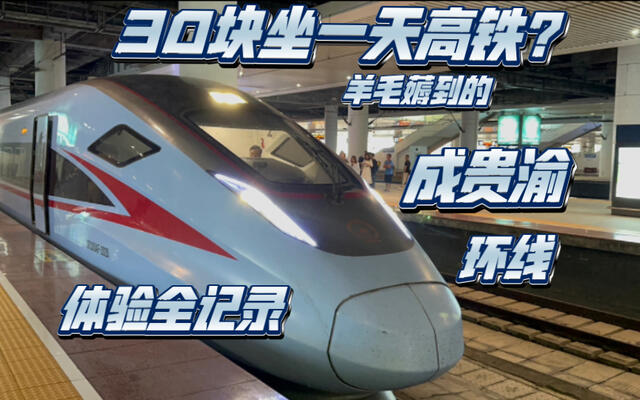 Bilibili35:55
Riding the Chengdu-Chongqing-Guiyang HSR Loop in One Day
A rail fan rides the new Sichuan-Guizhou-Chongqing loop line end to end — mountains, bridges and river gorges the whole way. Great reference for a HSR loop trip.
 Bilibili22:43
A Finnish Family Eats 15 Sichuan Meals in 3 Days
A Finnish family returns after five years and eats everything: nine-grid beef-tallow hotpot, roast duck over rice, melting pig-trotter soup. Use it as your "what to order in Chengdu" list.
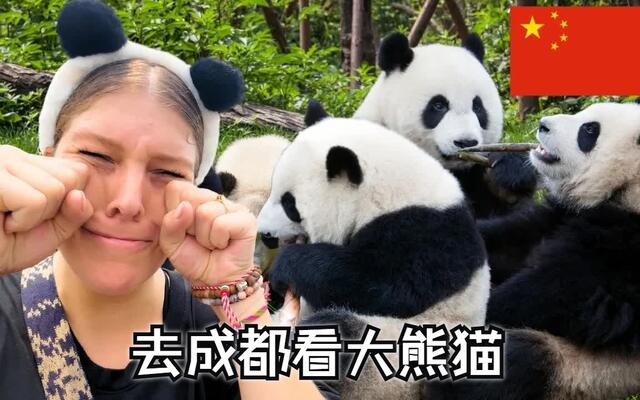 YouTube18:34
Visiting the Chengdu Panda Base — Irish Couple Amazed
The well-known Irish travel couple Two Mad Explorers at the Chengdu panda base — honest first-timer logistics plus genuine awe. Links to their original YouTube video.
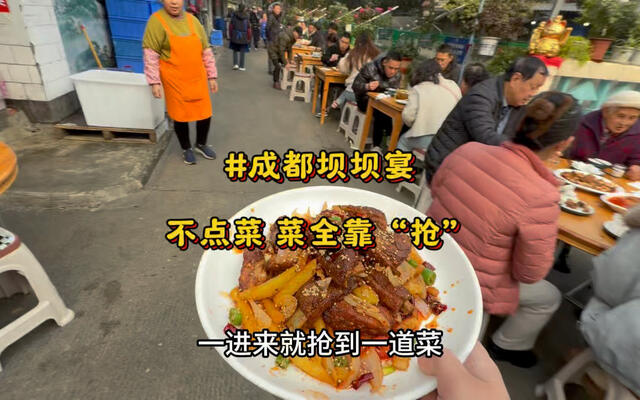 Bilibili10:10
A Village "Baba Banquet" on the Edge of Chengdu
No menu, no ordering — you grab whatever dish comes off the wok. A joyful look at rural Sichuan banquet culture foreign visitors almost never stumble into.
 Bilibili7:15
Second Visit, Still Cannot Finish Eating Chengdu in 3 Days
Fresh mid-2026 vlog: a fast, dense 3-day eating route with zero filler — the most current Chengdu food crawl on the site.
Curated Guides·精选攻略导航
Recursos escogidos sobre Chengdu de toda la web
Community-maintained Chengdu guide — two airports, 11 metro lines, every museum with prices and hours. Openly licensed, constantly updated.
Moments·城市瞬间
Momentos de Chengdu
Local Partners·本地合作伙伴
Guías, chóferes y servicios verificados en Chengdu
Wang Qiang — Chengdu Private Driver
✓ Socio verificado10 years driving expat families around Sichuan. Panda base, Leshan, and 3–5 day western Sichuan loops.
Sichuan Discovery — Boutique Agency
Small-team custom itineraries: Chengdu + Jiuzhaigou, Leshan, Emei and Tibet connections.
More Destinations·更多目的地
Suroeste de China