청두
At a Glance·城市印象
걸음이 느긋해지고 삶이 더 맛있어지는 도시
청두는 쓰촨 분지의 중심에 자리하며, 2천 년 넘게 두장옌 관개 시설의 혜택을 받아온 도시다. 삶의 속도가 느릿하다 — 현지인은 오후 내내 카이완 차를 마시고 마장을 즐기다가, 해가 지면 훠궈와 주옌차오의 바를 찾는다. 유네스코가 지정한 미식 도시이며, 판다 번식 기지에서 콘자이 골목까지 구석구석이 느긋한 발걸음에 보답한다. 판다를 보러 왔다가, 차를 마시느라 더 머물게 되는 곳.
Attractions·必游景点
청두을 정의하는 랜드마크와 숨은 구석
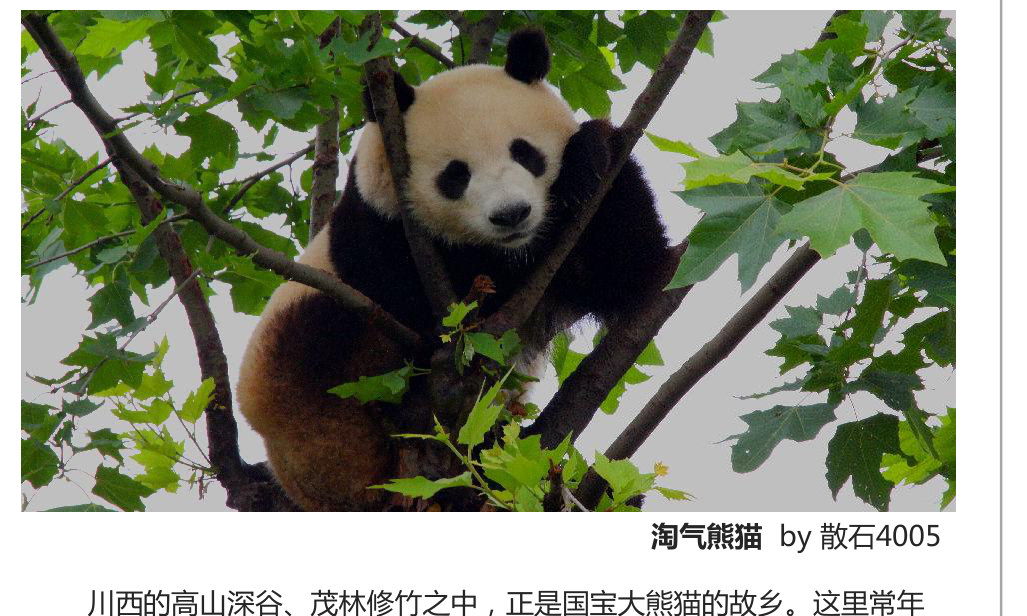
청두 자이언트 판다 번식 연구 기지
The world's best place to see giant pandas up close. The base recreates the bears' wild habitat with bamboo groves and shady gardens, home to more than 20 giant pandas plus red pandas, black-necked cranes, and swans. Watch them tumble, munch bamboo, and nap in the trees — the Moon Nursery holds the tiniest cubs. Arrive before 9 AM; pandas are most active in the morning and doze through the afternoon heat.
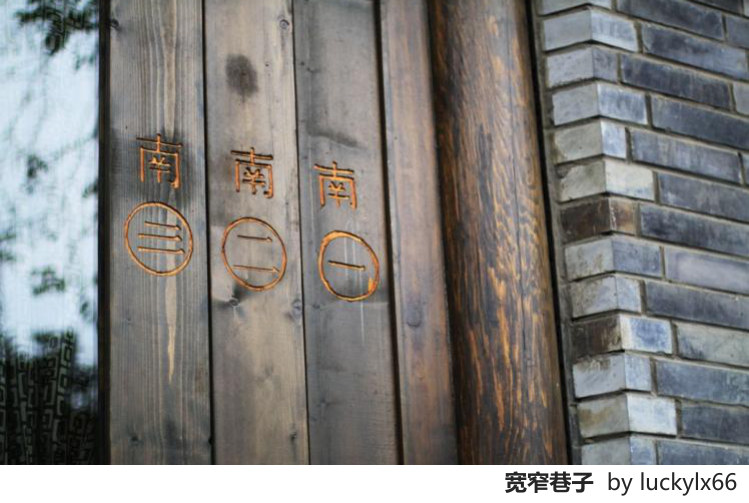
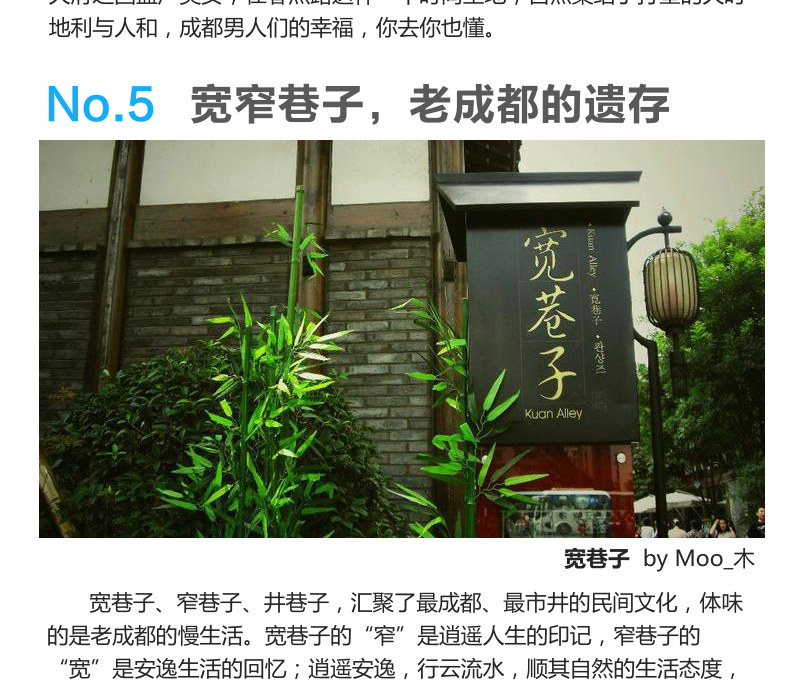
콴자이 골목(宽窄巷子)
Three parallel Qing-era alleys — Wide (Kuan), Narrow (Zhai), and Well (Jing) — form the last surviving slice of Chengdu's "lesser walled city." The relaxed life of Kuan Alley, the slow life of Zhai, and the new life of Jing blend old teahouses, Sichuan snacks, folk art, and boutique shops. Go early for clean photos, or on a sunny afternoon to drink gaiwan tea, watch locals play cards, and have your ears cleaned — the most Chengdu thing you can do.
진리 고가(锦里古街)
Known as the "First Street of Western Shu" and called Chengdu's version of a Qingming Festival riverside scroll, this 400-meter lane is packed with folk architecture, snack stalls, bars, and craft shops as part of Wuhou Shrine Museum. Come at dusk when the red lanterns light up and the street turns magical — the night view is the real event. Grab a bowl of spicy tofu pudding or a candied hawthorn skewer while you browse.
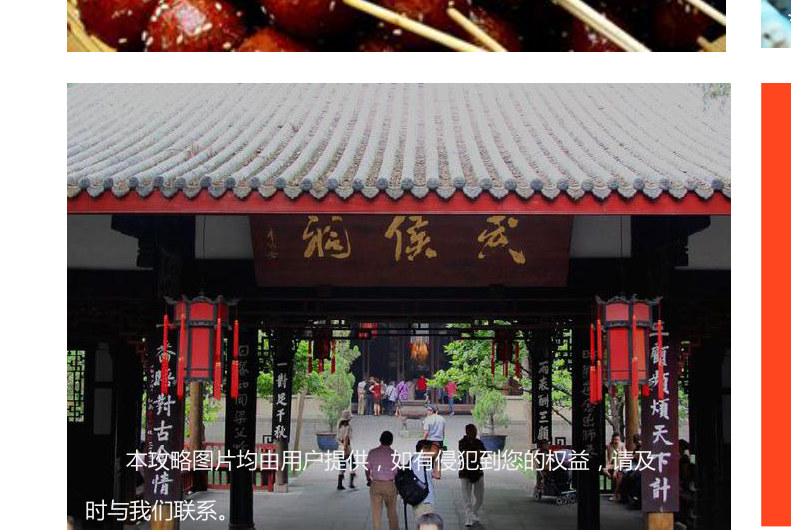
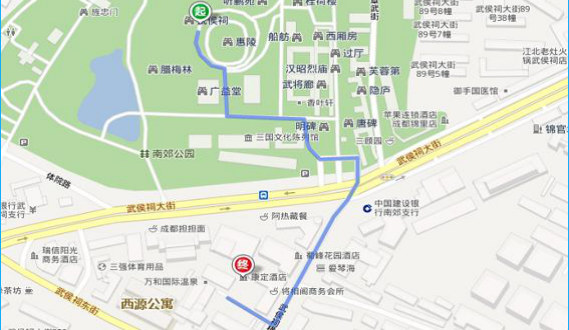
무후 사당(武侯祠)
First built in 223 AD alongside the tomb of Liu Bei, this is China's only temple honoring both a ruler and his minister — Emperor Liu Bei and his legendary strategist Zhuge Liang of the Shu Kingdom, plus the heroes of the Three Kingdoms era. The complex centers on Huiling (Liu Bei's tomb), Han Zhaolie Temple, and Wuhou Shrine itself, set among ancient cypresses and grand halls. Don't miss the famous red wall lined with bamboo (hongqiang zhuying), one of the most photographed spots in Chengdu.
두부 초당(杜甫草堂)
On the bank of Huanhua Creek, this is the former home of Du Fu, the Tang Dynasty poet who fled the An Lushan Rebellion and arrived here in the winter of 759 AD. He lived in this thatched cottage for nearly four years and wrote more than 240 surviving poems. The original hut is long gone — the poet Wei Zhuang rediscovered its site during the Five Dynasties — but the walled garden of bamboo groves, lotus ponds, and calligraphy halls is one of the most peaceful spots in Chengdu.
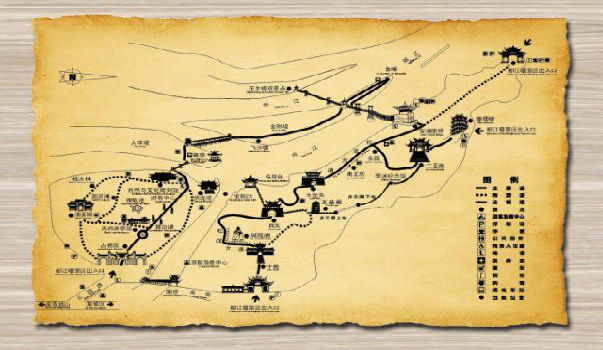
도장옌 관개 시설
The world's oldest dam-free irrigation system still operating — built around 256 BC by Li Bing and his son to tame the flood-prone Min River and turn Sichuan into the fertile "Land of Abundance." Walk the classic route: Lidui Park → Yango Path → Fulong Temple → Flying Sand Weir → Fish Mouth divider → Anlan Suspension Bridge → Erwang Temple. Pair it with Mount Qingcheng next door for a full day trip. A high-speed train from Chengdu gets you here in about 30 minutes.
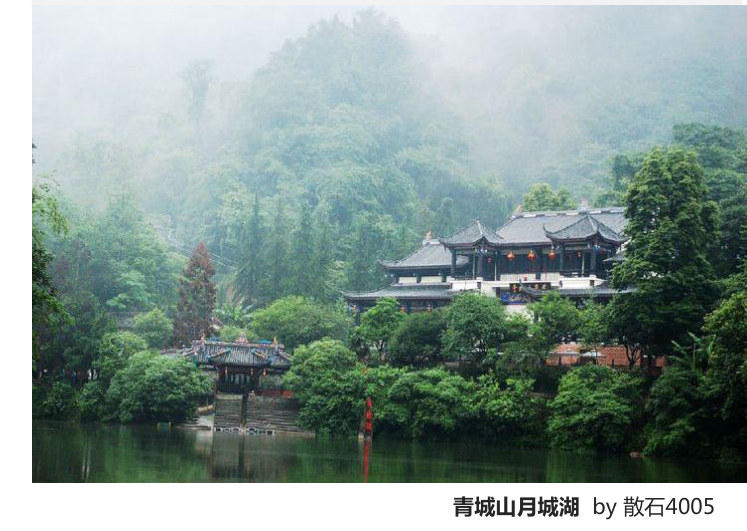
청청산(青城山)
One of the birthplaces of Chinese Taoism, listed with Dujiangyan as a UNESCO World Heritage site. The front mountain is famous for its Taoist temples — Shangqing Palace, Tianshi Cave, Jianfu Palace — set in deep, quiet forest that earned the saying "Qingcheng, the most serene under heaven." The back mountain is all waterfalls, ravines, and scenery. Hike or take the cable car up to Laojun Pavilion on the first peak for the classic route.
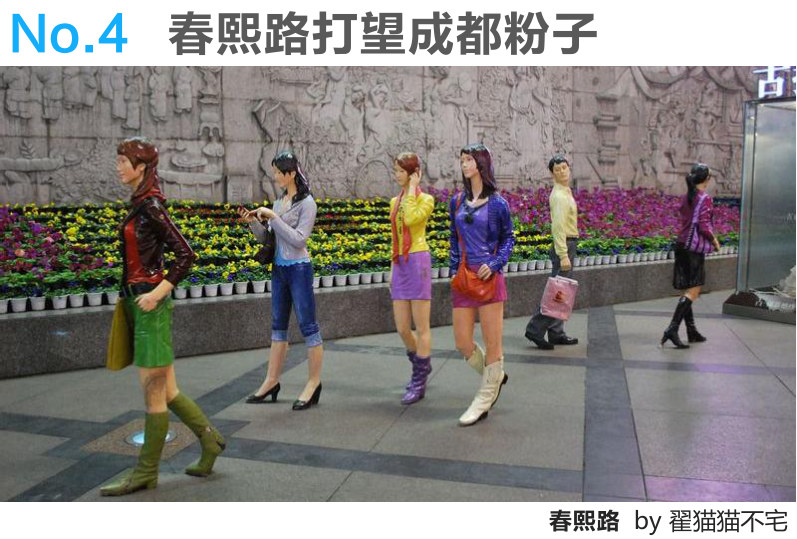
춘시루(春熙路)
Chengdu's most famous shopping street, ranked the third-best commercial street in China — a century-old avenue of flagship stores, time-honored snack shops, and endless neon. Locals say it's where you go to "find gold, chase fashion, and admire the beauties." Don't miss the giant panda sculpture climbing the side of the IFS tower, one of Chengdu's signature photo spots, and the cluster of old Sichuan snack shops down the side alleys.
Local Flavors·地道美食
청두에서 뭘 먹고 어디서 먹을까
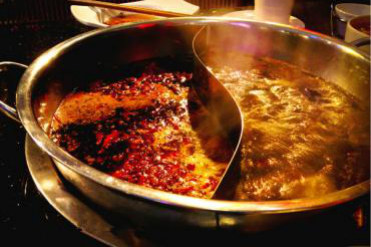
쓰촨 우지 훠궈
The signature numbing-spicy "mala" flavor of Sichuan, simmering with beef tallow, Sichuan peppercorns, and dried chilies — the most famous dish to come out of this UNESCO City of Gastronomy. Try the classic "nine-grid" red pot (jiugongge) so each ingredient has its own compartment, and dip everything in a sesame oil and garlic bowl to cool the heat. Order the trio of beef tripe, duck intestine, and yellow throat. Not a spice fan? Go for the yuanyang half-and-half pot. Local favorites: Shu Jiuxiang, Huangcheng Laoma, Pang Ma Lan Huoguo.
촨촨샹(꼬치 훠궈)
Chengdu's most grassroots street food — meat, veggies, and tofu skewered on bamboo sticks and cooked in a spicy red broth, then served ready to eat. It's hot pot in another form: faster, cheaper, and just as addictive. Count your empty sticks at the end — that's how you're billed. Pair with an icy bowl of bingfen (ice jelly) to put out the fire.
단단면(担担面)
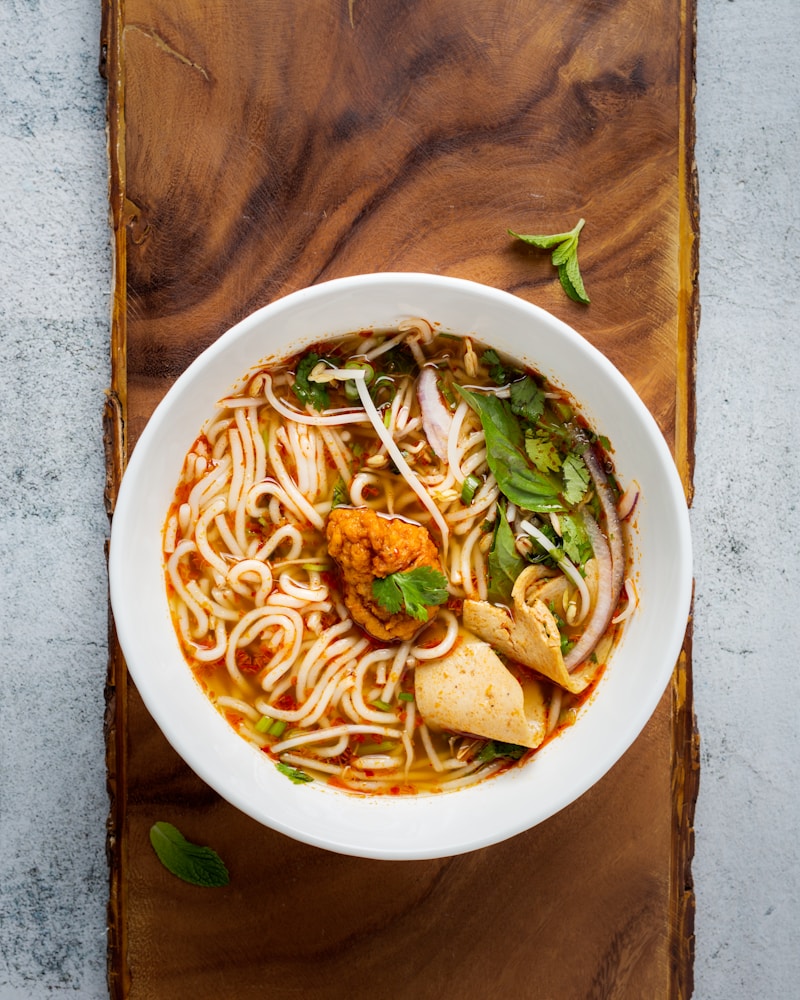
Thin wheat noodles topped with savory fried ground pork, chili oil, and Sichuan peppercorn — named for the shoulder-pole (dan) baskets the old street vendors once carried. The noodles are thin, the sauce crisply savory, numbing and spicy, with a fragrant aroma that hits before the first bite. The old-school peddlers cooked noodles in one side of a divided copper pot and braised chicken or trotters in the other.
빙펀(수제 얼음 젤리)
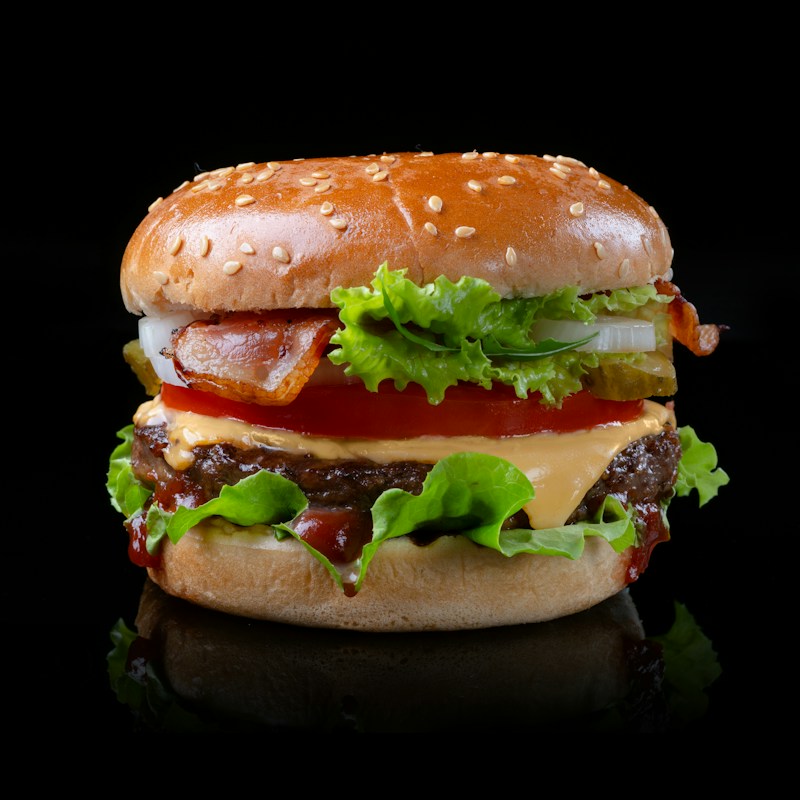
A jiggly, translucent jelly made from the seeds of a type of fig, hand-rubbed for texture. Topped with brown sugar syrup, glutinous rice cakes, hawthorn flakes, and crushed peanuts. Sweet, cool, and absolutely essential after a hot pot or chuanchuan meal — the classic Chengdu way to cool the mala fire.
중수이자오(鍾水餃)
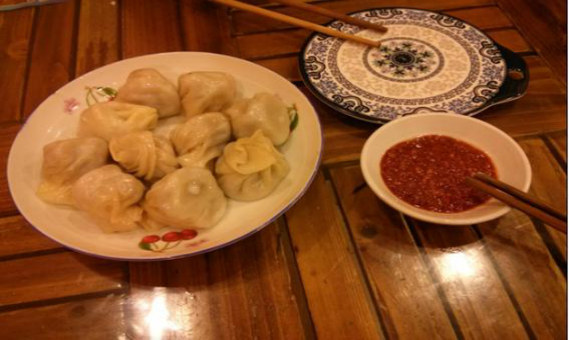
All-pork dumplings bathed in a glossy sweet-spicy chili oil sauce — the signature dish of a shop founded in 1893 by Zhong Shaobai. The skins are thin, the filling juicy, and the sauce sweet-salty with a heavy garlic kick. The original branch sits on Tidu Street, with convenient outposts near Wuhou Shrine and Wenshu Monastery serving other classic Chengdu snacks alongside.
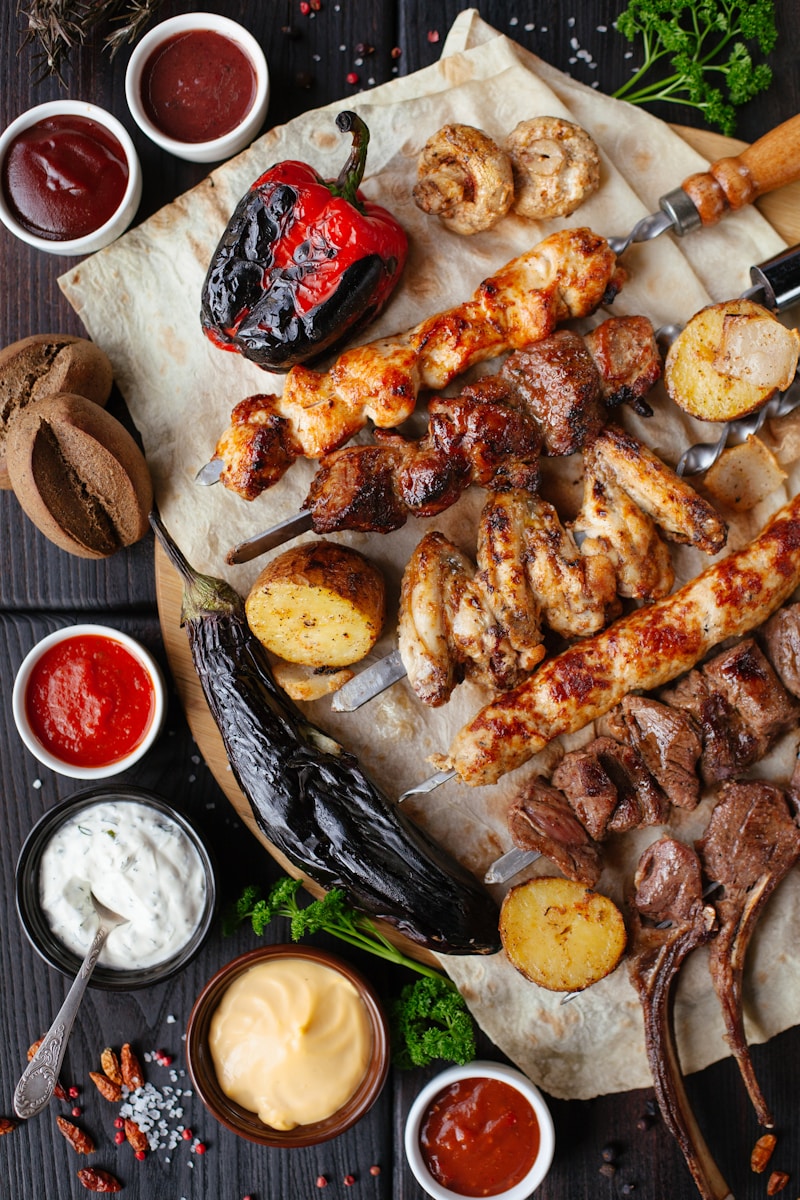
마라 토끼 머리
A late-night Chengdu obsession: rabbit heads braised in five-spice or numbing-spicy broth until the meat falls off the bone. Locals drive all the way out to Shuangliu for the most authentic version at "Lao Ma Tu Tou." It takes practice to eat — you nibble the meat from the cheeks and palate — but those who love it, love it, and it's the city's ultimate drinking snack.
룽차오서우(龍抄手)
Chengdu's most famous wontons, founded in the 1940s on Chunxi Road — the name "Long" (dragon) is a pun on "nong" (rich abundance). The wrappers are rolled paper-thin and semi-translucent, the pork filling silky and tender, and the broth simmered from chicken, duck, and pork until it's white, rich, and fragrant. The flagship on Chunxi Road serves dozens of other Sichuan snacks alongside, though it's popular with tourists.
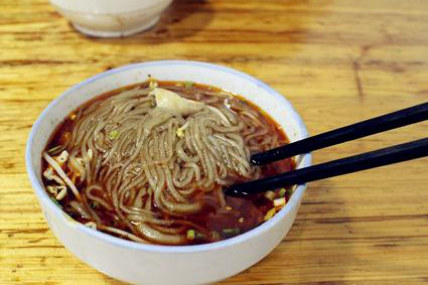
페이창펀(돼지창자 당면)
Sweet-potato glass noodles in a rich broth of pork intestines and bones, topped with tender braised intestines, chili oil, and Sichuan peppercorn — the dish the movie A Good Rain Knows called essential: "if you haven't eaten intestine noodles, you haven't been to Chengdu." The noodles are springy, the broth deeply savory, and the recipe morphs easily into sour-spicy noodles or beef noodles. Try Gan Ji or Bai Jia Feichang Fen for the classic bowl, or follow locals to a hole-in-the-wall "fly restaurant."
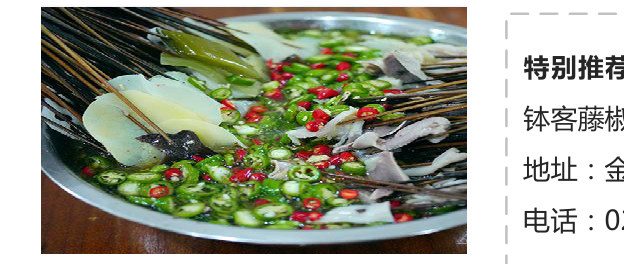
보보지(보울 치킨 꼬치)
Cold skewers steeped in a fragrant, numbing chili-and-sesame oil broth and served from a clay bowl (boban) — a Leshan-born Sichuan classic. Tender boneless chicken and vegetables on sticks, intensely aromatic and refreshing cold.
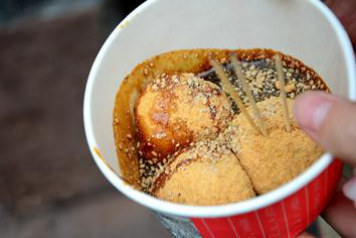
싼다파오(三大炮)
A theatrical Chengdu dessert — sticky-rice balls slammed onto a brass plate (three loud 'bangs') so they bounce into roasted soybean-and-sesame powder, then bathed in brown-sugar syrup. Chewy, sweet, and half the fun is watching it made.
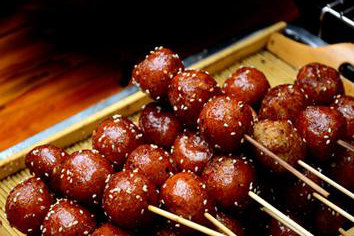
탕유궈쯔(糖油果子)
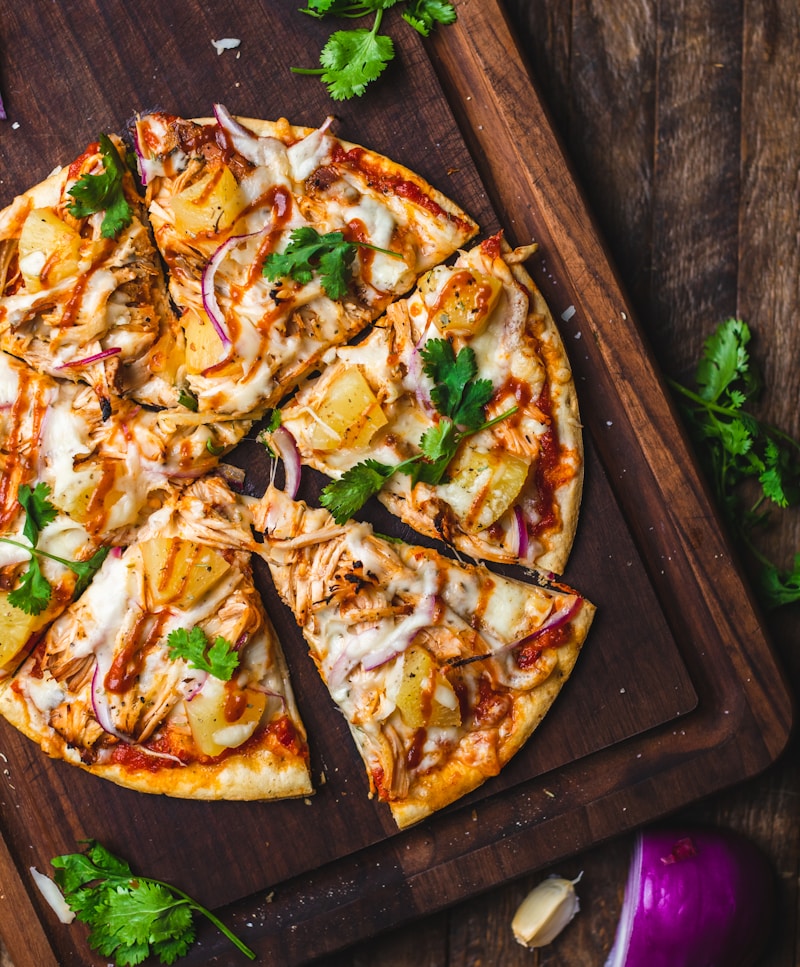
Skewered glutinous-rice fritters glazed in caramelized brown sugar and rolled in sesame seeds — glossy red-gold, shatteringly crisp outside and pleasantly chewy within. A beloved Chengdu street sweet.
Itinerary·推荐行程
청두에서 시간을 알차게
DAY 1삼국 유적과 옛 골목 산책
- 오전무후 사당 — 중국 유일의 군신 합사 사당, 유명한 붉은 벽·대나무 사진 명소
- 정오진리 고가를 거닐며 싼다파오, 보보지, 마라 두부 푸딩 등 간식 탐방
- 오후콴자이 골목 — 카이완 차 한 잔, 쓰촨식 귀 청소 체험, 민속 공예점 구경
- 저녁 무렵춘시로 & IFS — 쇼핑과 길거리 음식, 벽 타는 자이언트 판다 조형 포토존
- 저녁 식사본격 쓰촨 우지 훠궈 — 구격(九宫格) 냄비와 참기름 소스로
DAY 2시인과 사원, 찻집의 느린 하루
- 오전두부 초당 — 당나라 시인이 240여 편의 시를 쓴 대나무 정원 산책
- 오전 늦게칭양궁 — 쓰촨 제일의 도교 사원, 중국에서 가장 완전한 도장 경판 소장, 마당에서 차 한 잔
- 오후왕장루 공원 — 진장 강변에서 카이완 차, 머리 위로 100여 종의 대나무
- 늦은 오후원수 사원 일대 — 톈수이몐, 황량펀 등 옛 청두 간식 맛보기
- 밤주옌차오 바 거리 — 푸 강변의 청두에서 가장 뜨거운 나이트라이프
DAY 3판다와 인민공원
- 이른 아침자이언트 판다 번식 기지 — 판다가 가장 활발한 오전 9시 이전 도착, 달 보육원에서 아기 판다 관람
- 정오기지 근처 또는 시내로 돌아와 점심 식사 후 잠시 휴식
- 오후인민공원 허밍 찻집 — 대나무 의자에 앉아 카이완 차, 유명한 쓰촨식 귀 청소 체험
- 저녁 무렵위린 동네 — 위린루의 소규모 라이브 바, 청두 나이트라이프의 영혼
DAY 4도장옌·청청산 당일치기
- 오전청두에서 고속열차로 도장옌까지 약 30분(¥15) — 2,200년 역사의 관개 시설 견학
- 정오도장옌 시내에서 점심 — 현지 강물 생선, 은행알 닭찜 등
- 오후청청산 전산 — 도보 또는 케이블카로 첫 봉우리 라오쥔 정자까지
- 저녁 무렵고속열차로 청두 복귀 — 당일치기 일정 종료
Travel Tips·出行贴士
떠나기 전 알아둘 것들
🚄교통 가이드
- •솽류 공항(CTU)은 시내에서 16km — 지하철 10호선과 공항버스 303번 직통
- •지하철 1·2호선은 톈푸 광장에서 교차하며 주요 명소 대부분 커버; 톈푸퉁 카드(보증금 ¥20, 20% 할인)는 홍치 마트·약국·지하철역에서 발급
- •택시 기본요금 2km ¥8(고급차 ¥9), 이후 km당 ¥1.9, 23:00–06:00 할증 — 영수증 챙기기
- •도장옌·청청산행 고속열차 약 30분 ¥15; 차뎬쯔·신난먼 버스터미널에서 직행버스도 운행
🏨숙소 추천
- •톈푸 광장–춘시로: 가장 중심, 쇼핑·미식·교통 최고 — 다만 비싸고 시끄러움
- •콴자이 골목 일대: 사합원 스타일 부티크 호텔과 호스텔, 가깝고 걷기 좋으며 밤문화 풍부
- •무후 사당–진리 일대: 조용한 쓰촵풍 부티크 호텔, 먹거리 가득
- •원수 사원 주변: 저조하고 가성비 좋으며 간식거리 도보 거리; 봄·가을 성수기엔 1–2주 전 예약
💡알아두면 좋은 것
- •판다는 이른 아침에 볼 것 — 오후 더위에는 잠
- •훠궈는 ‘웨이라(微辣, 덜 매움)’로 주문하거나 위안양 반이 국물 선택; 참기름+마늘 소스가 매운맛을 잡아줌
- •청두는 분지 기후 — 여름엔 후덥지근, 겨울엔 5°C 안팎의 축축한 추위, 복장 준비
- •찻집에서 ¥20 자스민 차 한 잔 시키고 싶 만큼 머물기 — 이것이 진짜 청두
- •주요 명소 간 무료 셔틀버스(예: 무후 사당→청청산·도장옌·판다 기지) 운행 여부 표 구매 시 확인
📌예산 & 물가
- •전반적으로 물가 적당 — 식당 국수 한 그릇 ¥7–8, 골목 노점 ¥3–4
- •3일 일정 1인 약 ¥2,000 예산 (중급 호텔+식사+입장권)
- •명소가 음식보다 비쌈: 무후 사당·두부 초당 각 ¥60, 도장옌 ¥90, 청청산 전산 ¥90/후산 ¥20, 판다 기지 ¥58
- •중급 훠궈(수주샹 등) 1인 ¥60–80, 동네 맛집(츠잉관쯔) ¥30–50
- •특산물은 위샤루 쓰촨 특산물 상가가 종류가 가장 많고 가격 착함
Must-Watch Vlogs·必看视频
진짜 여행자들이 찍은 청두 영상 엄선
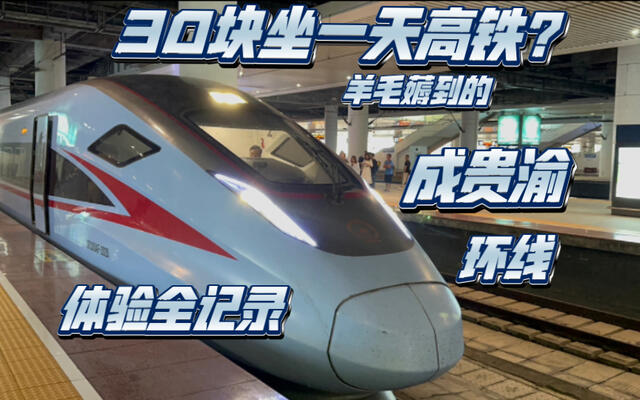 빌리빌리35:55
Riding the Chengdu-Chongqing-Guiyang HSR Loop in One Day
A rail fan rides the new Sichuan-Guizhou-Chongqing loop line end to end — mountains, bridges and river gorges the whole way. Great reference for a HSR loop trip.
 빌리빌리22:43
A Finnish Family Eats 15 Sichuan Meals in 3 Days
A Finnish family returns after five years and eats everything: nine-grid beef-tallow hotpot, roast duck over rice, melting pig-trotter soup. Use it as your "what to order in Chengdu" list.
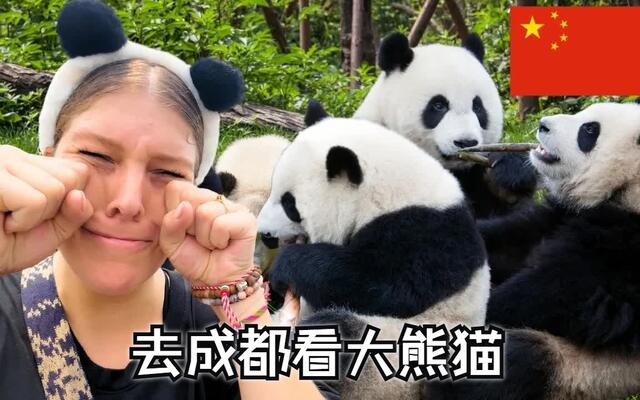 YouTube18:34
Visiting the Chengdu Panda Base — Irish Couple Amazed
The well-known Irish travel couple Two Mad Explorers at the Chengdu panda base — honest first-timer logistics plus genuine awe. Links to their original YouTube video.
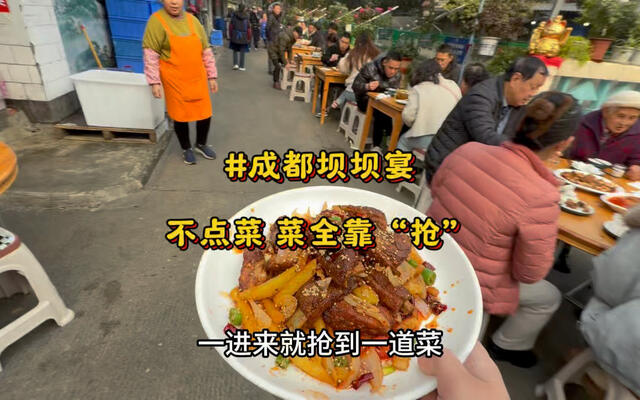 빌리빌리10:10
A Village "Baba Banquet" on the Edge of Chengdu
No menu, no ordering — you grab whatever dish comes off the wok. A joyful look at rural Sichuan banquet culture foreign visitors almost never stumble into.
 빌리빌리7:15
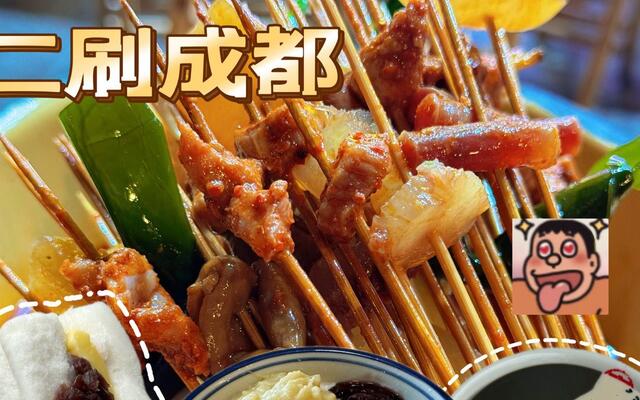
Second Visit, Still Cannot Finish Eating Chengdu in 3 Days
Fresh mid-2026 vlog: a fast, dense 3-day eating route with zero filler — the most current Chengdu food crawl on the site.
Curated Guides·精选攻略导航
웹에서 엄선한 청두 관련 자료
Community-maintained Chengdu guide — two airports, 11 metro lines, every museum with prices and hours. Openly licensed, constantly updated.
Moments·城市瞬间
청두의 순간
Local Partners·本地合作伙伴
청두의 인증 가이드·기사·서비스
Wang Qiang — Chengdu Private Driver
✓ 인증 파트너10 years driving expat families around Sichuan. Panda base, Leshan, and 3–5 day western Sichuan loops.
Sichuan Discovery — Boutique Agency
Small-team custom itineraries: Chengdu + Jiuzhaigou, Leshan, Emei and Tibet connections.
More Destinations·更多目的地
중국 서남부