成都
At a Glance·城市印象
歩みがゆったりと、暮らしがもっと美味しくなる街
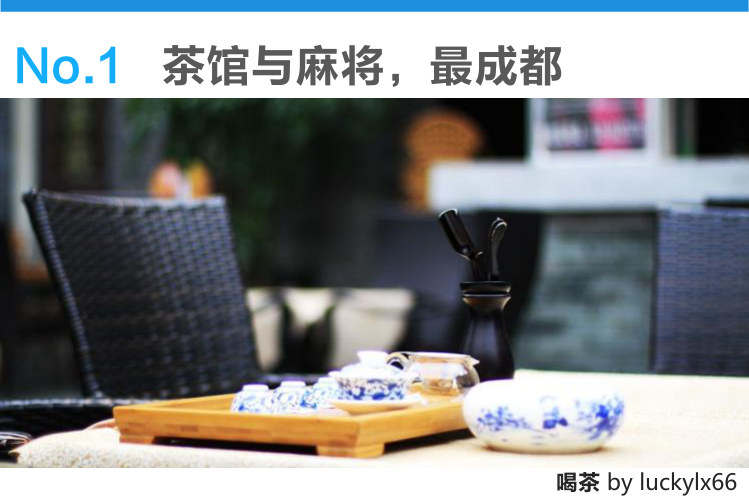
成都は四川盆地の中心に位置し、2,000年以上都江堰の恵みを受けてきた街。暮らしのテンポはゆったり——地元の人は蓋碗茶をすすり麻雀を楽しみ、夜になれば火鍋と九眼橋のバーへ繰り出します。ユネスコの「美食の都」に認定されたこの街では、パンダ繁育基地から寛窄巷子の路地まで、どこもゆっくり歩く人に応えてくれます。パンダを見に来て、お茶のために長居する街です。
Attractions·必游景点
成都を象徴するランドマークと隠れた名所
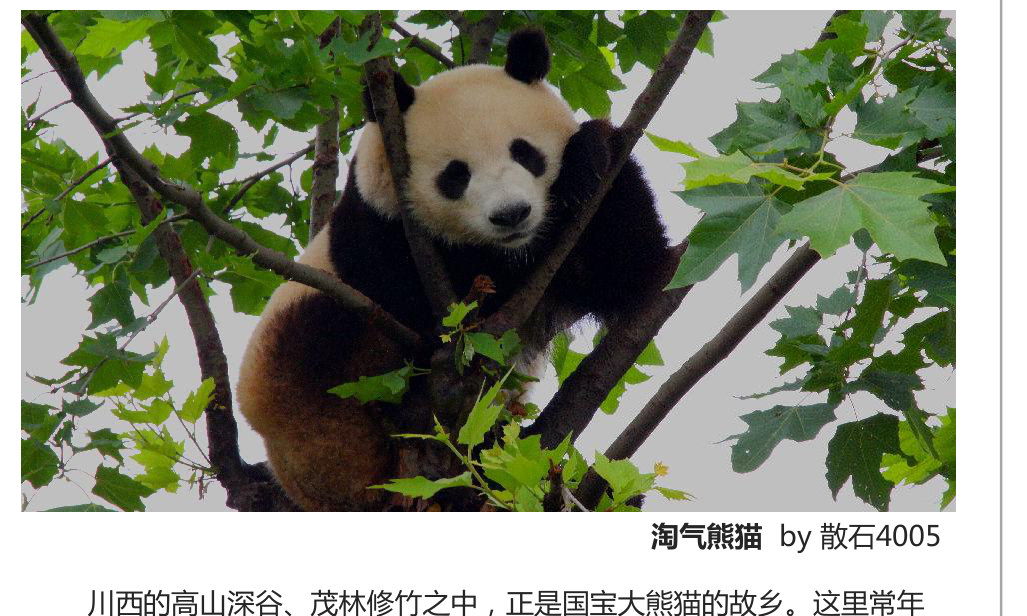
成都ジャイアントパンダ繁育研究基地
The world's best place to see giant pandas up close. The base recreates the bears' wild habitat with bamboo groves and shady gardens, home to more than 20 giant pandas plus red pandas, black-necked cranes, and swans. Watch them tumble, munch bamboo, and nap in the trees — the Moon Nursery holds the tiniest cubs. Arrive before 9 AM; pandas are most active in the morning and doze through the afternoon heat.
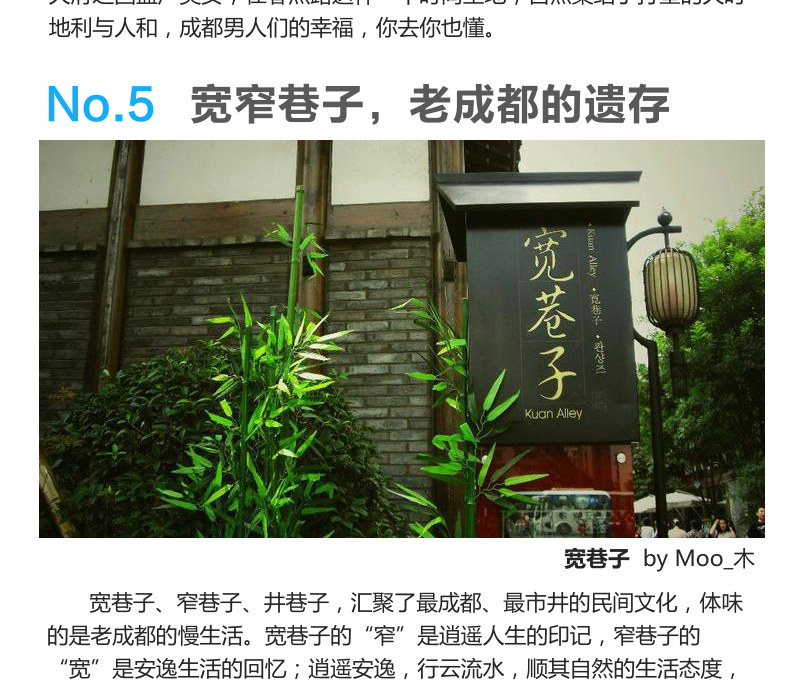
寛窄巷子(クァンヂャイシャンツー)
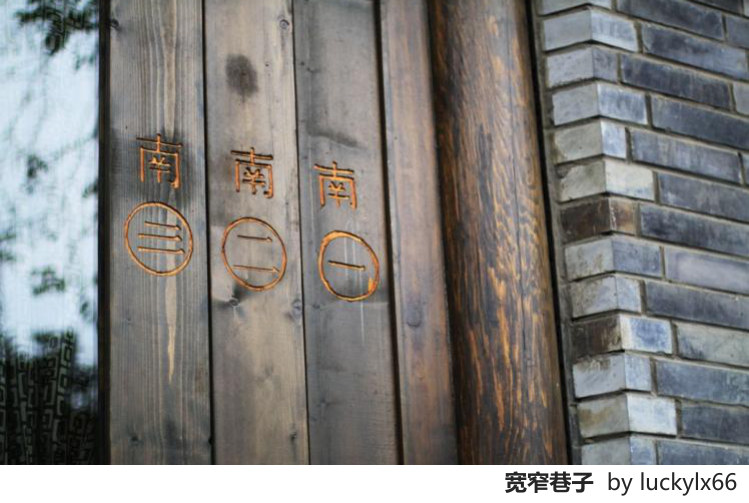
Three parallel Qing-era alleys — Wide (Kuan), Narrow (Zhai), and Well (Jing) — form the last surviving slice of Chengdu's "lesser walled city." The relaxed life of Kuan Alley, the slow life of Zhai, and the new life of Jing blend old teahouses, Sichuan snacks, folk art, and boutique shops. Go early for clean photos, or on a sunny afternoon to drink gaiwan tea, watch locals play cards, and have your ears cleaned — the most Chengdu thing you can do.
錦里古街
Known as the "First Street of Western Shu" and called Chengdu's version of a Qingming Festival riverside scroll, this 400-meter lane is packed with folk architecture, snack stalls, bars, and craft shops as part of Wuhou Shrine Museum. Come at dusk when the red lanterns light up and the street turns magical — the night view is the real event. Grab a bowl of spicy tofu pudding or a candied hawthorn skewer while you browse.
武侯祠
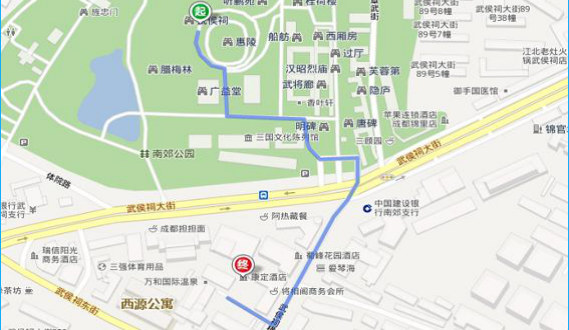
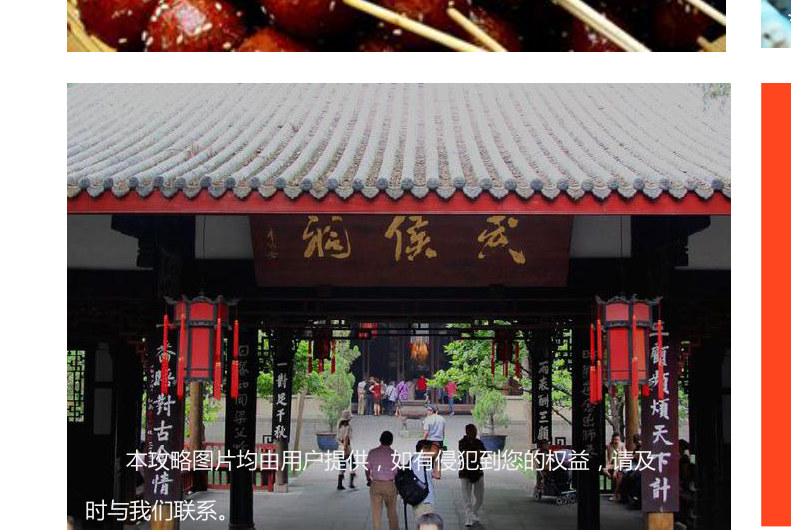
First built in 223 AD alongside the tomb of Liu Bei, this is China's only temple honoring both a ruler and his minister — Emperor Liu Bei and his legendary strategist Zhuge Liang of the Shu Kingdom, plus the heroes of the Three Kingdoms era. The complex centers on Huiling (Liu Bei's tomb), Han Zhaolie Temple, and Wuhou Shrine itself, set among ancient cypresses and grand halls. Don't miss the famous red wall lined with bamboo (hongqiang zhuying), one of the most photographed spots in Chengdu.
杜甫草堂
On the bank of Huanhua Creek, this is the former home of Du Fu, the Tang Dynasty poet who fled the An Lushan Rebellion and arrived here in the winter of 759 AD. He lived in this thatched cottage for nearly four years and wrote more than 240 surviving poems. The original hut is long gone — the poet Wei Zhuang rediscovered its site during the Five Dynasties — but the walled garden of bamboo groves, lotus ponds, and calligraphy halls is one of the most peaceful spots in Chengdu.
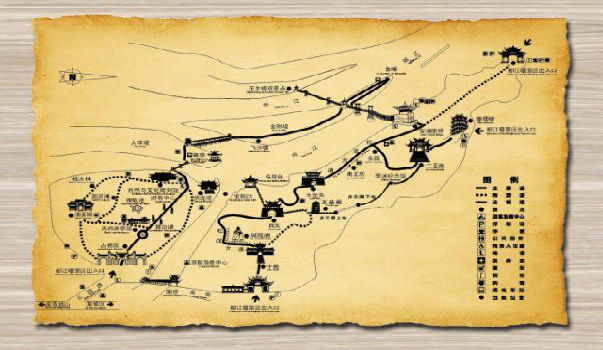
都江堰水利システム
The world's oldest dam-free irrigation system still operating — built around 256 BC by Li Bing and his son to tame the flood-prone Min River and turn Sichuan into the fertile "Land of Abundance." Walk the classic route: Lidui Park → Yango Path → Fulong Temple → Flying Sand Weir → Fish Mouth divider → Anlan Suspension Bridge → Erwang Temple. Pair it with Mount Qingcheng next door for a full day trip. A high-speed train from Chengdu gets you here in about 30 minutes.
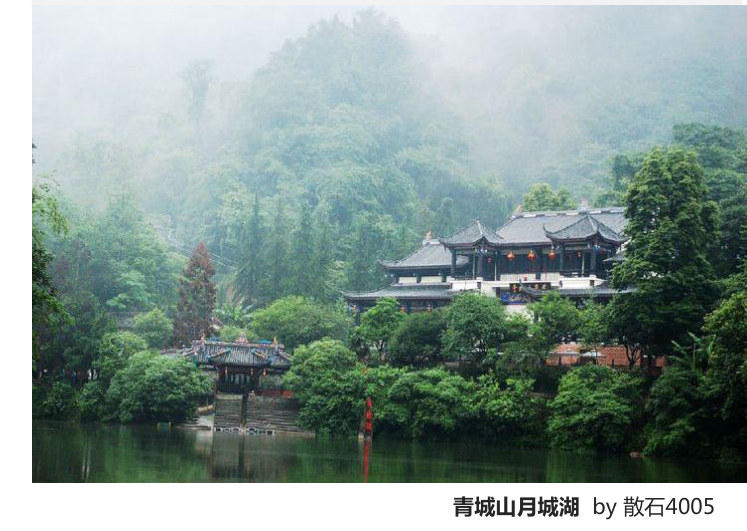
青城山
One of the birthplaces of Chinese Taoism, listed with Dujiangyan as a UNESCO World Heritage site. The front mountain is famous for its Taoist temples — Shangqing Palace, Tianshi Cave, Jianfu Palace — set in deep, quiet forest that earned the saying "Qingcheng, the most serene under heaven." The back mountain is all waterfalls, ravines, and scenery. Hike or take the cable car up to Laojun Pavilion on the first peak for the classic route.
春熙路
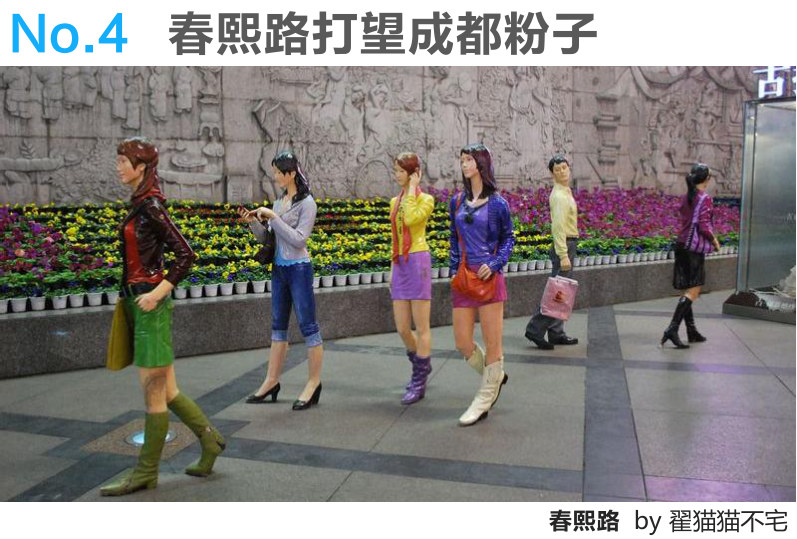
Chengdu's most famous shopping street, ranked the third-best commercial street in China — a century-old avenue of flagship stores, time-honored snack shops, and endless neon. Locals say it's where you go to "find gold, chase fashion, and admire the beauties." Don't miss the giant panda sculpture climbing the side of the IFS tower, one of Chengdu's signature photo spots, and the cluster of old Sichuan snack shops down the side alleys.
Local Flavors·地道美食
成都で何を食べ、どこで食べるか
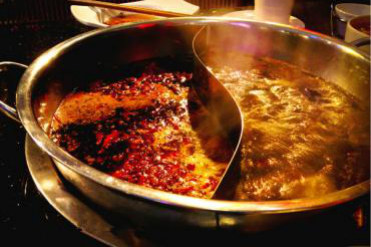
四川牛脂火鍋
The signature numbing-spicy "mala" flavor of Sichuan, simmering with beef tallow, Sichuan peppercorns, and dried chilies — the most famous dish to come out of this UNESCO City of Gastronomy. Try the classic "nine-grid" red pot (jiugongge) so each ingredient has its own compartment, and dip everything in a sesame oil and garlic bowl to cool the heat. Order the trio of beef tripe, duck intestine, and yellow throat. Not a spice fan? Go for the yuanyang half-and-half pot. Local favorites: Shu Jiuxiang, Huangcheng Laoma, Pang Ma Lan Huoguo.
串串香(くし火鍋)
Chengdu's most grassroots street food — meat, veggies, and tofu skewered on bamboo sticks and cooked in a spicy red broth, then served ready to eat. It's hot pot in another form: faster, cheaper, and just as addictive. Count your empty sticks at the end — that's how you're billed. Pair with an icy bowl of bingfen (ice jelly) to put out the fire.
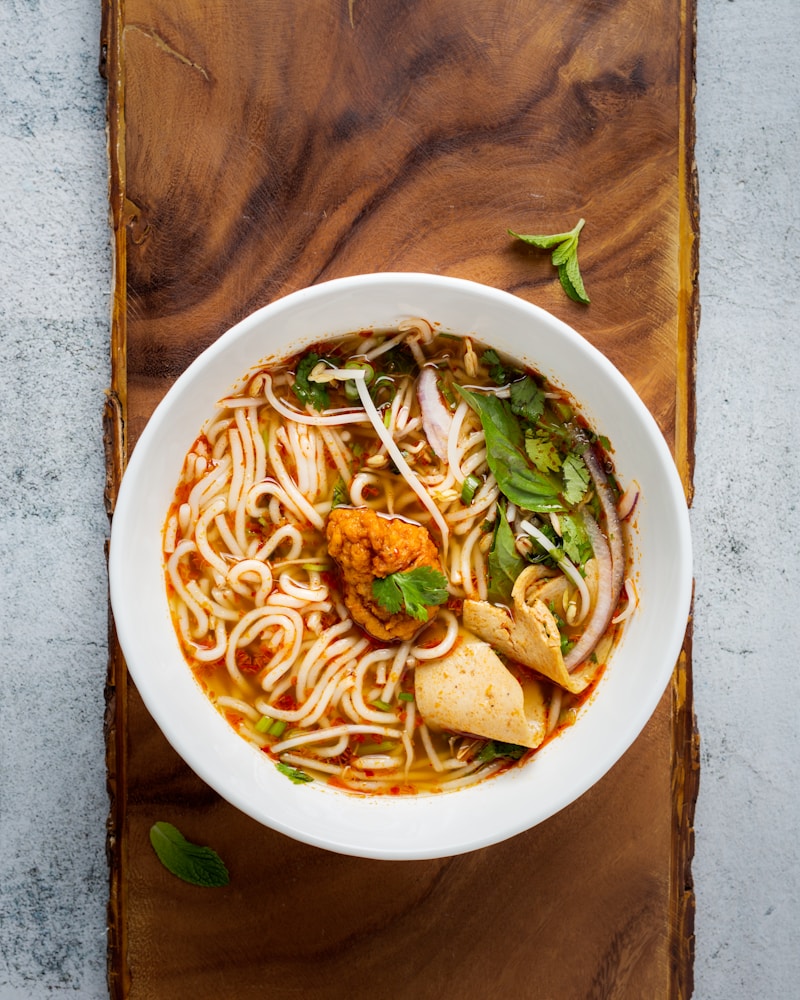
担担麺(タンタンメン)
Thin wheat noodles topped with savory fried ground pork, chili oil, and Sichuan peppercorn — named for the shoulder-pole (dan) baskets the old street vendors once carried. The noodles are thin, the sauce crisply savory, numbing and spicy, with a fragrant aroma that hits before the first bite. The old-school peddlers cooked noodles in one side of a divided copper pot and braised chicken or trotters in the other.
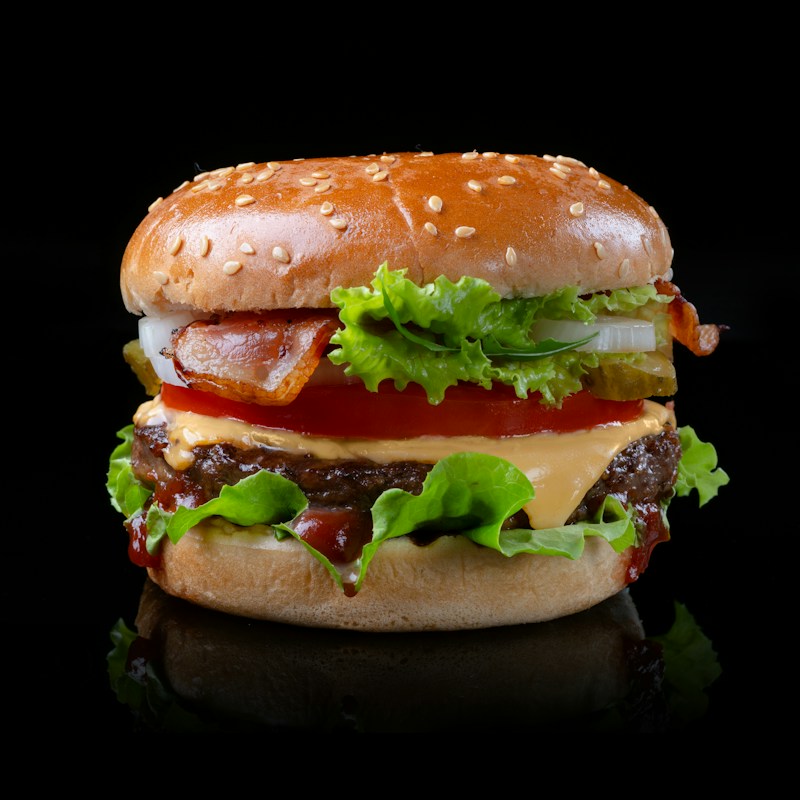
手搓冰粉(氷ゼリー)
A jiggly, translucent jelly made from the seeds of a type of fig, hand-rubbed for texture. Topped with brown sugar syrup, glutinous rice cakes, hawthorn flakes, and crushed peanuts. Sweet, cool, and absolutely essential after a hot pot or chuanchuan meal — the classic Chengdu way to cool the mala fire.
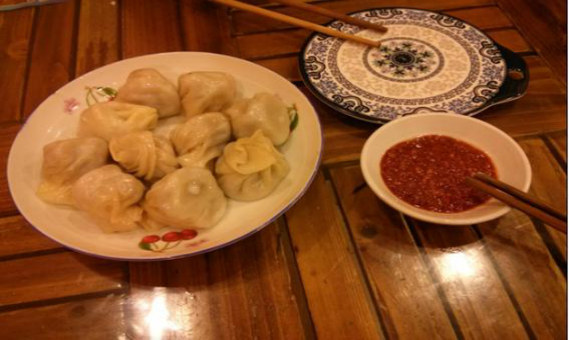
鍾水餃
All-pork dumplings bathed in a glossy sweet-spicy chili oil sauce — the signature dish of a shop founded in 1893 by Zhong Shaobai. The skins are thin, the filling juicy, and the sauce sweet-salty with a heavy garlic kick. The original branch sits on Tidu Street, with convenient outposts near Wuhou Shrine and Wenshu Monastery serving other classic Chengdu snacks alongside.
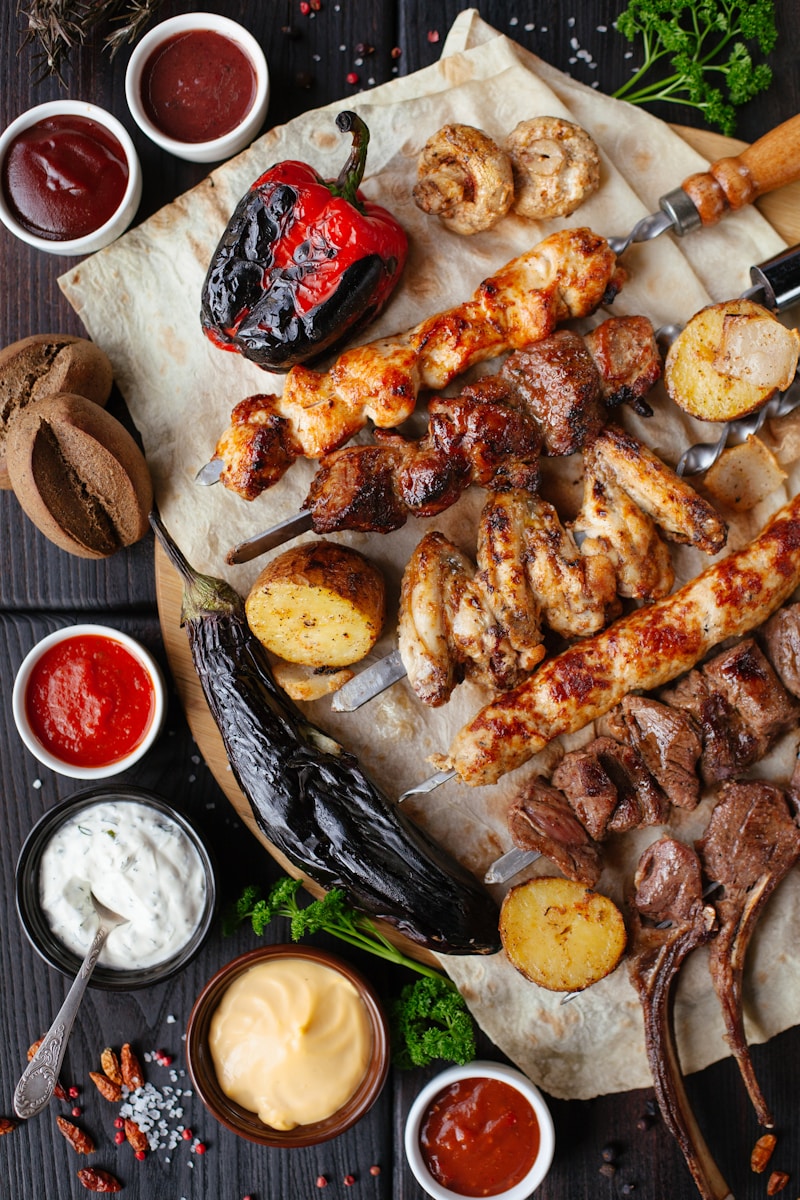
麻辣兎頭(ウサギの頭)
A late-night Chengdu obsession: rabbit heads braised in five-spice or numbing-spicy broth until the meat falls off the bone. Locals drive all the way out to Shuangliu for the most authentic version at "Lao Ma Tu Tou." It takes practice to eat — you nibble the meat from the cheeks and palate — but those who love it, love it, and it's the city's ultimate drinking snack.
龍抄手(ワンタン)
Chengdu's most famous wontons, founded in the 1940s on Chunxi Road — the name "Long" (dragon) is a pun on "nong" (rich abundance). The wrappers are rolled paper-thin and semi-translucent, the pork filling silky and tender, and the broth simmered from chicken, duck, and pork until it's white, rich, and fragrant. The flagship on Chunxi Road serves dozens of other Sichuan snacks alongside, though it's popular with tourists.
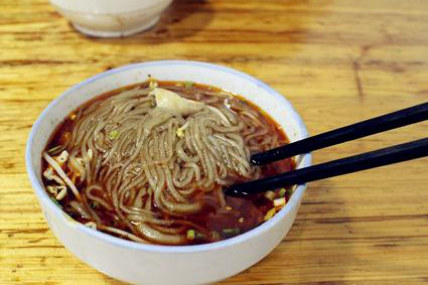
肥腸粉(豚モツ春雨)
Sweet-potato glass noodles in a rich broth of pork intestines and bones, topped with tender braised intestines, chili oil, and Sichuan peppercorn — the dish the movie A Good Rain Knows called essential: "if you haven't eaten intestine noodles, you haven't been to Chengdu." The noodles are springy, the broth deeply savory, and the recipe morphs easily into sour-spicy noodles or beef noodles. Try Gan Ji or Bai Jia Feichang Fen for the classic bowl, or follow locals to a hole-in-the-wall "fly restaurant."
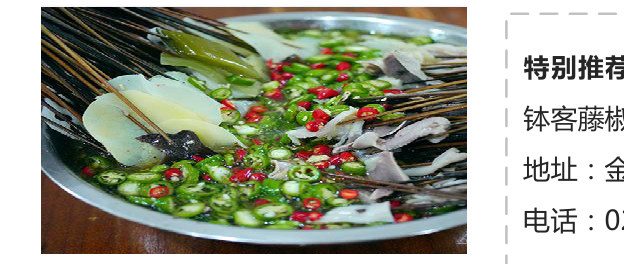
缽缽鶏(冷製くし盛り)
Cold skewers steeped in a fragrant, numbing chili-and-sesame oil broth and served from a clay bowl (boban) — a Leshan-born Sichuan classic. Tender boneless chicken and vegetables on sticks, intensely aromatic and refreshing cold.
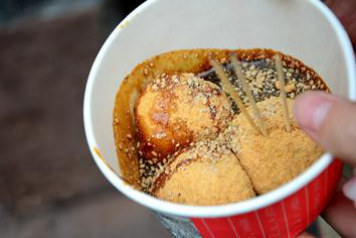
三大砲(サンダーパオ)
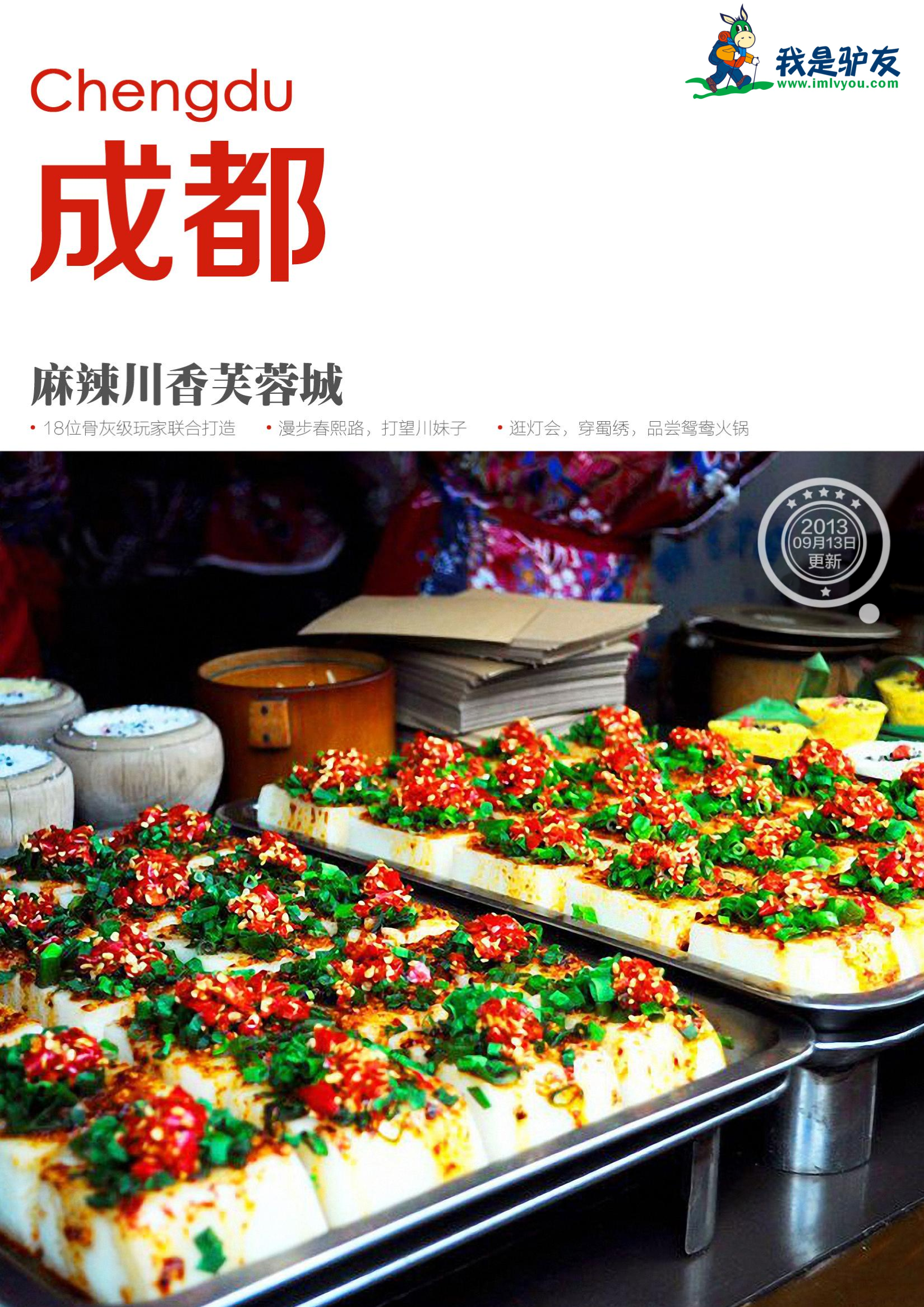
A theatrical Chengdu dessert — sticky-rice balls slammed onto a brass plate (three loud 'bangs') so they bounce into roasted soybean-and-sesame powder, then bathed in brown-sugar syrup. Chewy, sweet, and half the fun is watching it made.
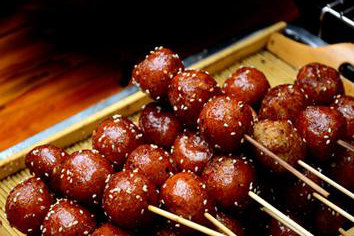
糖油果子
Skewered glutinous-rice fritters glazed in caramelized brown sugar and rolled in sesame seeds — glossy red-gold, shatteringly crisp outside and pleasantly chewy within. A beloved Chengdu street sweet.
Itinerary·推荐行程
成都での時間を余すところなく
日目 1三国遺跡と古い路地
- 午前武侯祠——中国唯一の君臣合祀の廟、有名な赤壁竹影の撮影スポットへ
- 正午錦里古街を散策しながら三大砲・缽缽鶏・辛い豆花など小吃を食べ歩き
- 午後寛窄巷子——蓋碗茶で一服、四川式耳かき体験、民芸店めぐり
- 夕方春熙路&IFS——ショッピングと屋台グルメ、壁をよじ登る巨大パンダと記念撮影
- 夕食本場の牛脂麻辣鍋へ——九宮格鍋とゴマ油ダレを注文
日目 2詩人と寺院、茶館の暮らし
- 午前杜甫草堂——唐の詩人が240篇以上の詩を詠んだ竹の庭園を散策
- 午前遅く青羊宮——四川第一の道観。中国最大の道蔵経版を蔵し、中庭でお茶を
- 午後望江楼公園——錦江のほとりで蓋碗茶、頭上には100種以上の竹
- 夕方前文殊院エリア——甜水面・黄涼粉など昔ながらの成都小吃を味わう
- 夜九眼橋のバー街——府河沿いの成都で最も賑わうナイトスポット
日目 3パンダと人民公園
- 早朝ジャイアントパンダ繁育基地——パンダが活発な午前9時前に到着、月亮産房で赤ちゃんパンダを
- 正午基地周辺または市内へ戻って昼食、少し休憩
- 午後人民公園の鶴鳴茶館——竹椅子で蓋碗茶、名物の耳かき体験も
- 夕方玉林エリア——玉林路の小さなライブハウスとバー、成都の夜の魂
日目 4都江堰・青城山の日帰り
- 午前成都から高速鉄道で都江堰へ約30分(¥15)——2,200年前から使われ続ける水利施設を見学
- 正午都江堰市街で昼食——地元の川魚や白果炖鶏などを
- 午後青城山前山——歩きまたはケーブルカーで第一峰の老君閣へ
- 夕方高速鉄道で成都に戻る——日帰り行程の終わり
Travel Tips·出行贴士
出発前に知っておきたいこと
🚄交通ガイド
- •双流空港(CTU)は市中心から16km——地下鉄10号線と空港バス303番が直行
- •地下鉄1号線・2号線は天府広場で交差し主要観光地の大半をカバー。天府通カード(保証金¥20、2割引)は紅旗スーパー・薬局・地下鉄駅で発行
- •タクシー初乗り2km¥8(上級車¥9)、以降1kmあたり¥1.9、23:00〜06:00は夜間割増——領収書は必ず
- •都江堰・青城山へは高速鉄道で約30分¥15。茶店子・新南門バスターミナルから直行バスも
🏨宿泊アドバイス
- •天府広場〜春熙路エリア:最も中心で買い物・食事・交通に最適——ただし高めで騒がしい
- •寛窄巷子周辺:中庭式ブティックホテルとホステルが集まり、静かで歩きやすく夜遊びも充実
- •武侯祠〜錦里エリア:四川民家風ブティックホテルが多く、静かで美食に囲まれる
- •文殊院周辺:穴場でコスパ良し、ご当地小吃へ徒歩圏。春と秋のハイシーズンは1〜2週間前の予約を
💡知っておきたいこと
- •パンダは早朝に見る——午後の暑さの中では寝ています
- •火鍋は「微辣(少し辛い)」か鴛鍋(半分辛くない)で注文。ゴマ油+ニンニクのタレで辛さを抑える
- •成都は盆地気候——夏は蒸し暑く、冬は5°C前後の湿った寒さ。服装に注意
- •茶館なら¥20のジャスミン茶で好きなだけ長居——それが本物の成都
- •主要観光地間の無料シャトルバス(武侯祠→青城山・都江堰・パンダ基地など)はチケット購入時に確認を
📌予算と物价
- •物価は全体的に手頃——レストランの麺は1杯¥7〜8、屋台なら¥3〜4
- •3日間の予算は1人約¥2,000(中級ホテル+食事+入場料)
- •入場料は食事より高め:武侯祠・杜甫草堂各¥60、都江堰¥90、青城山前山¥90/後山¥20、パンダ基地¥58
- •中級火鍋店(蜀九香など)は1人¥60〜80、大衆店(蒼蝇館子)は¥30〜50
- •お土産は玉沙路の四川特産商城が品揃え最豊富で価格も良心的
Must-Watch Vlogs·必看视频
本物の旅人が撮った成都動画を厳選
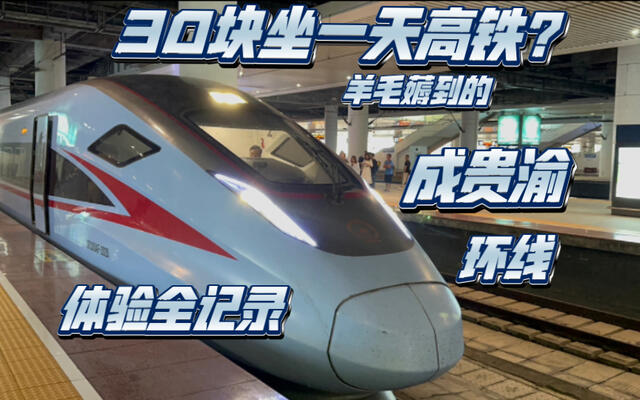 Bilibili35:55
Riding the Chengdu-Chongqing-Guiyang HSR Loop in One Day
A rail fan rides the new Sichuan-Guizhou-Chongqing loop line end to end — mountains, bridges and river gorges the whole way. Great reference for a HSR loop trip.
 Bilibili22:43
A Finnish Family Eats 15 Sichuan Meals in 3 Days
A Finnish family returns after five years and eats everything: nine-grid beef-tallow hotpot, roast duck over rice, melting pig-trotter soup. Use it as your "what to order in Chengdu" list.
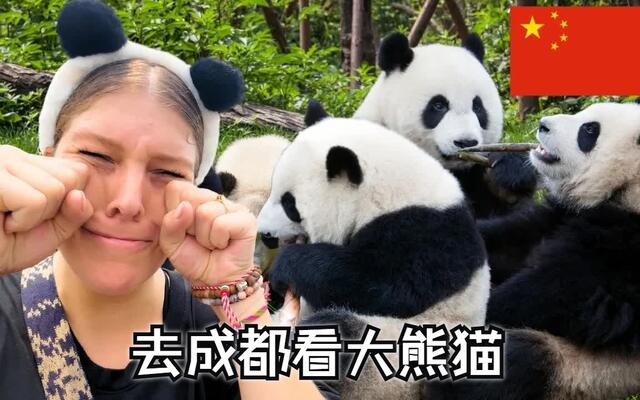 YouTube18:34
Visiting the Chengdu Panda Base — Irish Couple Amazed
The well-known Irish travel couple Two Mad Explorers at the Chengdu panda base — honest first-timer logistics plus genuine awe. Links to their original YouTube video.
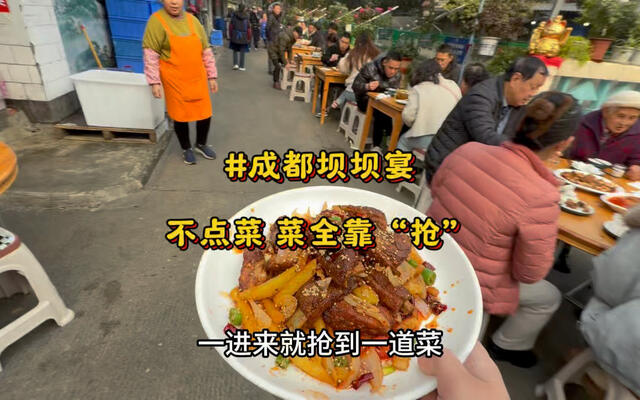 Bilibili10:10
A Village "Baba Banquet" on the Edge of Chengdu
No menu, no ordering — you grab whatever dish comes off the wok. A joyful look at rural Sichuan banquet culture foreign visitors almost never stumble into.
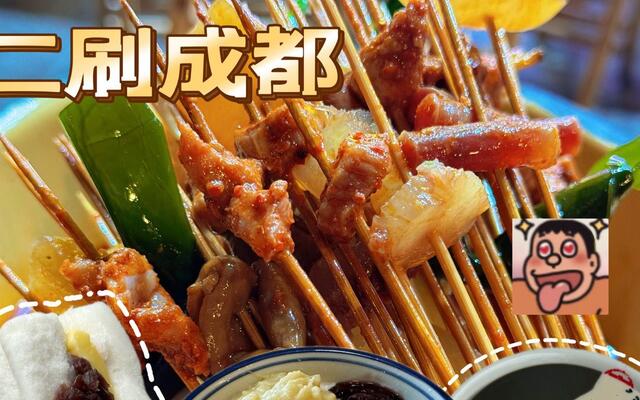 Bilibili7:15
Second Visit, Still Cannot Finish Eating Chengdu in 3 Days
Fresh mid-2026 vlog: a fast, dense 3-day eating route with zero filler — the most current Chengdu food crawl on the site.
Curated Guides·精选攻略导航
ウェブから集めた成都のおすすめリソース
Community-maintained Chengdu guide — two airports, 11 metro lines, every museum with prices and hours. Openly licensed, constantly updated.
Moments·城市瞬间
成都の瞬間
Local Partners·本地合作伙伴
成都の認定ガイド・ドライバー・サービス
Wang Qiang — Chengdu Private Driver
✓ 認定パートナー10 years driving expat families around Sichuan. Panda base, Leshan, and 3–5 day western Sichuan loops.
Sichuan Discovery — Boutique Agency
Small-team custom itineraries: Chengdu + Jiuzhaigou, Leshan, Emei and Tibet connections.
More Destinations·更多目的地
中国南西部