西安
At a Glance·城市印象
一つの街で3,000年の歴史を歩く
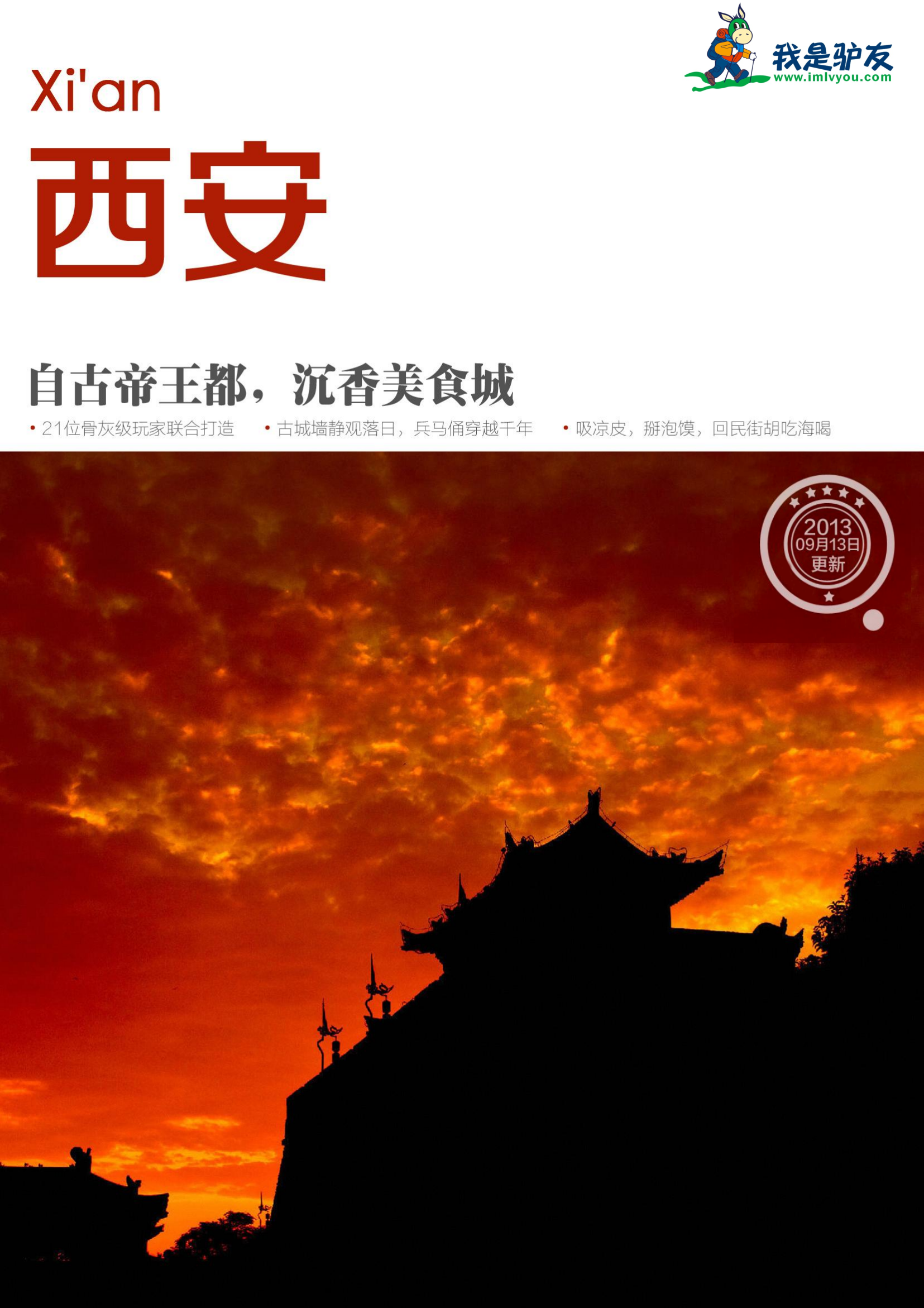
「永遠の平安の都」長安として知られる西安は、古代中国史の中心です。中国を初めて統一した秦から、国の文化的アイデンティティを今に定める唐まで、13の王朝がここに都を置きました。東西を数世紀にわたり結んだシルクロードの東の終点でもあります。今日では13.7kmの古代城壁(中国最大かつ最良の保存状態)を自転車で一周し、等身大の数千体の兵馬俑の前に立ち、賑わう回族街を食べ歩くことができます。3,000年の歴史がこれほど「現在」として感じられる街はめったにありません。
Attractions·必游景点
西安を象徴するランドマークと隠れた名所
秦始皇帝兵馬俑博物館
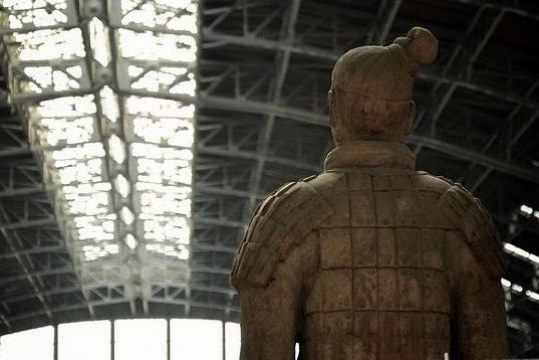
The 'Eighth Wonder of the World' — three huge burial pits covering some 20,000 sq m hold thousands of life-sized clay soldiers, horses, and chariots buried with China's first emperor, Qin Shi Huang, over 2,200 years ago. The mausoleum took 700,000 workers 38 years to build. Pit 1 is the main hall, its tight formation of infantry and war chariots still radiating the military might of a unified China. Each warrior has a unique face. Hire a guide on site — the stories behind the pits transform the experience.
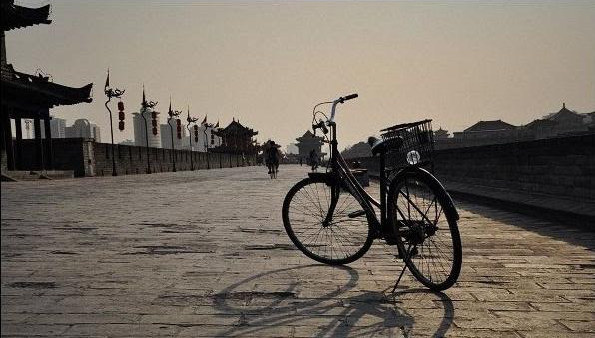
西安古城壁
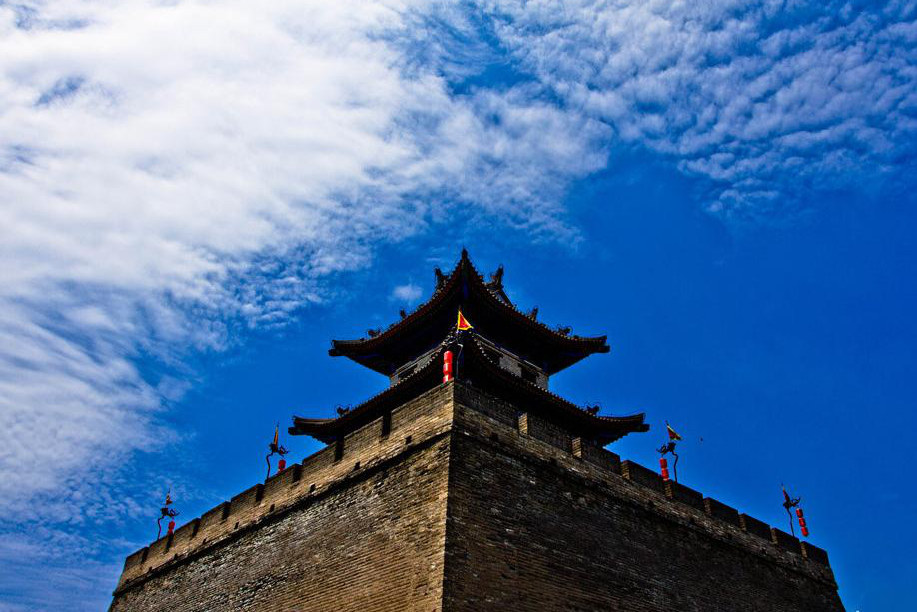
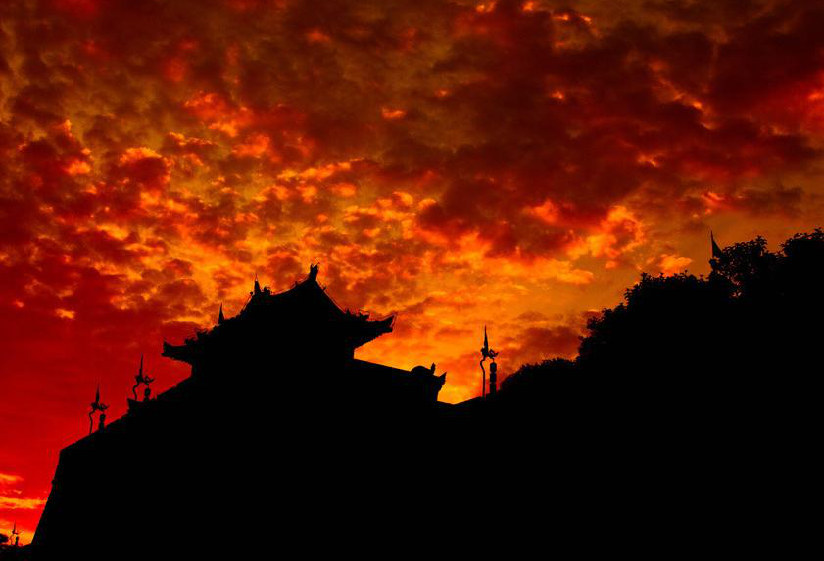
The most complete ancient city wall in China, built between 1374 and 1378 during the Ming Dynasty and now over 600 years old. The full loop runs about 13.7 km, wide enough on top for a six-lane road. Rent a bicycle at South Gate (¥40/100 min for a single bike, ¥80 for a tandem) and ride the entire circuit — about 80 minutes if you keep moving. South Gate (Yongning Gate) is the most dramatic entrance, with a daily gate-opening ceremony at 9:30 AM, soldier drills at 10:30 AM, and acrobatics shows at 11:00 AM. Sunset is the most beautiful time to ride.
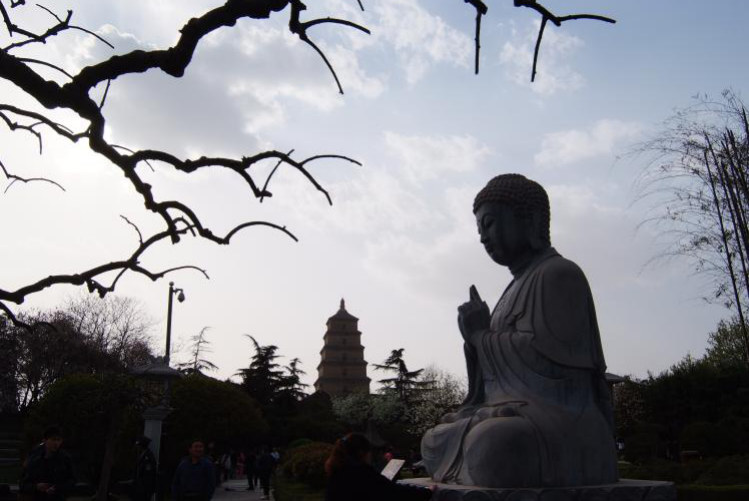
大雁塔と大慈恩寺
A Tang Dynasty masterpiece of Buddhist architecture and one of Xi'an's signature sights. The seven-story pagoda was built in the 7th century by the monk Xuanzang — the real-life monk who journeyed to India and inspired the classic novel Journey to the West — to store the scriptures he brought back. Climb to the top for a sweeping view of the city. The surrounding plazas are free to wander; the North Square features Asia's largest musical fountain, with nightly illuminated shows that draw big crowds.
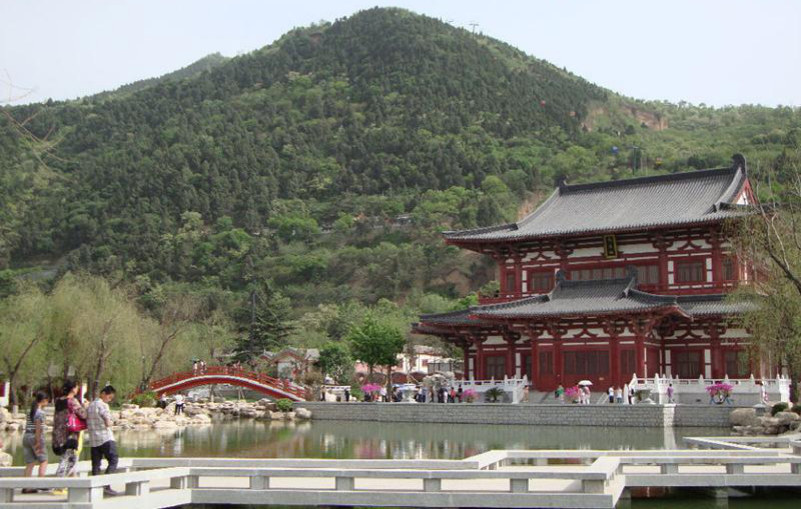
華清宮(華清池)
Also called Huaqing Palace, this imperial hot-spring resort at the foot of Mount Li was beloved by emperors from the Zhou to the Tang. It is most famous as the favorite bathing retreat of Yang Guifei, consort of Emperor Xuanzang, and the tragic love story between them is the stuff of legend. The Tang Dynasty bathhouse ruins are still visible. From April to October, don't miss the open-air spectacle 'The Song of Everlasting Sorrow' (Changhen'ge), a lavish light-and-dance show staged right on the mountain (¥268-988).
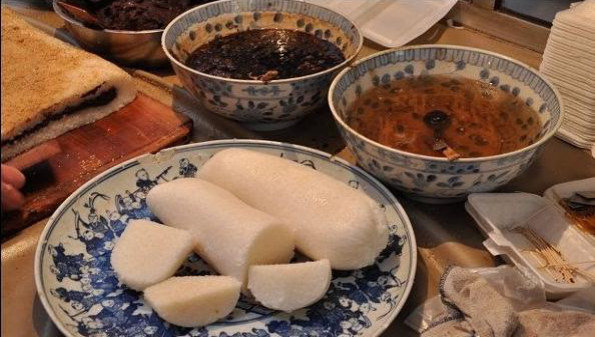
回民街(フィーミンジエ)
Xi'an's most famous food street — about 500 m long, paved in flagstone and lined with green trees and faux Ming-Qing shopfronts. The Hui Muslim community has lived here for over 1,000 years, and the whole quarter is packed with halal eateries. Beiyuanmen is the main street, but the best eats are tucked in the side alleys: Xiyangshi, Dapiyuan, Xiaopiyuan, Guangming Alley, and Bei Guangji Street. Try roujiamo (the original Chinese hamburger), mutton paomo, persimmon cakes, and grilled skewers as you graze. Please respect Hui customs — most restaurants ban alcohol and do not serve pork.
陝西歴史博物館
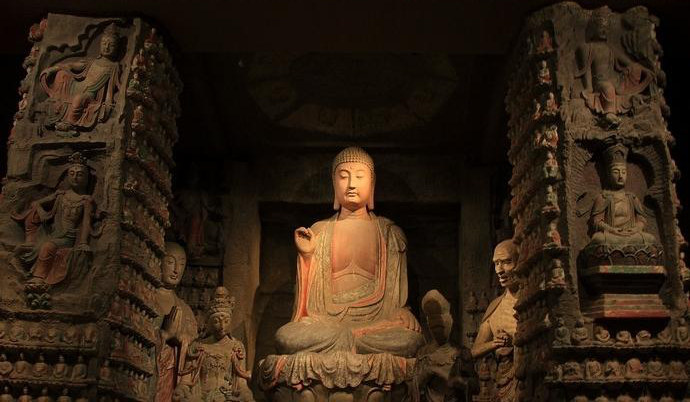
'Give me one day, and I'll give you 10,000 years.' Hailed as the 'pearl of the ancient capital, treasure house of Huaxia', this museum holds over 370,000 artifacts spanning more than a million years — from Stone Age tools to Tang Dynasty gold. Its greatest strengths are the Shang and Zhou bronzes, the vivid pottery figures of every dynasty, the unrivaled Han and Tang gold and silver, and the world-class Tang tomb murals. Entry is free but only 4,000 tickets are issued daily (2,500 before 2 PM, 1,500 after). The smart move is to buy the ¥20 Treasure Gallery ticket at the bag-check and skip the queue. Hire a guide or rent an audio guide — the context is essential.
鐘楼と鼓楼
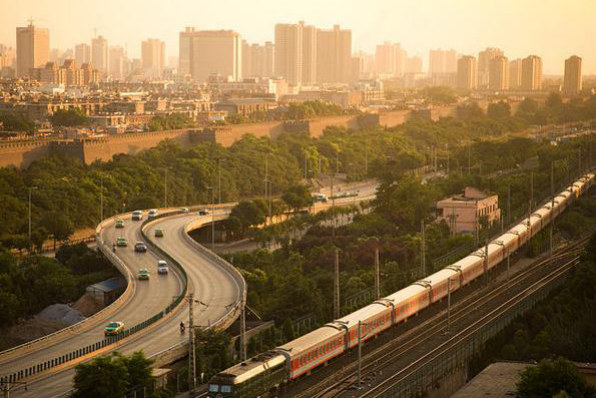
The 'sister towers' of Xi'an, both over 620 years old. The Bell Tower, built in the 17th year of the Hongwu reign (1384), is the largest and best-preserved of its kind left from ancient China, sitting at the very intersection of the city's four main avenues. The Drum Tower, about 300 m to its west at the south end of the Muslim Quarter, is the largest ancient drum tower in China. Both host regular performances — bell chimes and court music at the Bell Tower (six shows daily) and drumming at the Drum Tower. Climb the Bell Tower on a clear day to see four city gates in four directions; at night, the towers glow against the traffic — a view that feels suspended between centuries.
碑林博物館
Founded in 1087, the Forest of Steles is the oldest and largest collection of ancient stone tablets in China — a library of Chinese calligraphy carved in stone. It holds more than 2,300 steles and 230,000+ rubbings, including masterworks by Yan Zhenqing, Liu Gongquan, Ouyang Xun, Chu Suiliang, and the wild-cursive monk Huaisu, as well as the Nestorian Stele, a key record of early Christianity in China. Even non-readers can feel the artistry of the brushwork. Hire a guide or join a group (¥100 for 1-6 people) — the stones come alive with stories. Pair the visit with a stroll through Shuyuanmen, the calligraphy-and-antiques street just outside.
Local Flavors·地道美食
西安で何を食べ、どこで食べるか
牛羊肉泡馍(パオモ)
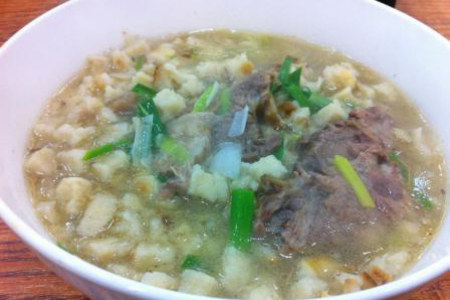
Xi'an's most iconic dish, and arguably the 'grand representative' of all Shaanxi food. A hearty soup of tender lamb and glass noodles, served with a flatbread (mo) that you tear into tiny pieces yourself — the smaller the pieces, the better the flavor. Once you've torn the bread, hand the bowl back to be cooked with the meat and broth. Eat it with pickled garlic and chili sauce on the side, then sip a small bowl of rich stock to finish. Visitors love Lao Sun Jia; locals swear by Lao Mi Jia Da Yu Paomo.
肉夹馍(ロージャモ)
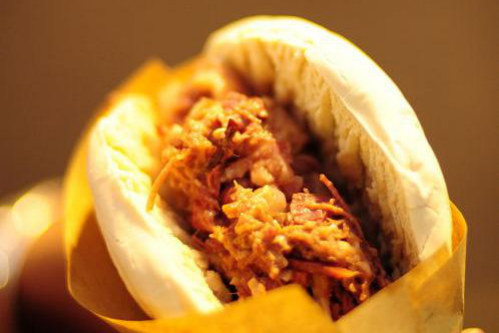
Often called 'the world's first hamburger', roujiamo dates back to the Warring States period — the real deal is just two things: lazhi (slow-braised spiced pork) and baiji mo (a crisp, chewy baked flatbread). The pork is fatty and lean together, stewed until it melts in the mouth, with plenty of savory juices. No lettuce, no sauce, no additions — just bread and meat, each bringing out the best in the other. The classic Xi'an spot is Fan Ji on Zhuba Shi Street (around ¥12 a piece).
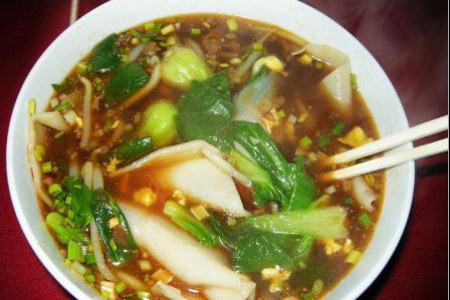
ビャンビャン麺
The signature noodle of Shaanxi — hand-pulled wheat noodles as wide and thick as a belt (one of the 'Ten Shaanxi Quirks' — 'noodles like a trouser belt'). The dough is slapped against the board with a 'biang biang' sound, giving the dish its name. Topped with chili powder, garlic, and scallions, then drenched in sizzling hot oil until the bowl glows red. Hearty, spicy, slippery, and chewy. The character 'biáng' itself is so complex it has its own folk rhyme to remember how to write it.
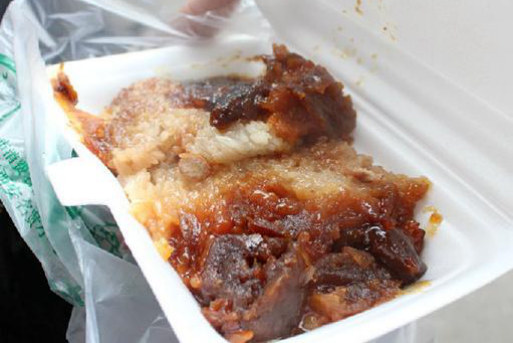
甑糕(ズェンガオ)
A Xi'an breakfast classic. Layers of glutinous rice, red dates, and kidney beans steamed together in a traditional iron steamer called a 'zeng' until soft, sticky, and fragrant. Served piping hot from street carts, sweet without being cloying, with a deep date flavor and a texture that somehow doesn't stick to the teeth. The most famous stall is Dongnanya Zenggao at Majia Shizi intersection. A warm, comforting way to start a Xi'an morning.
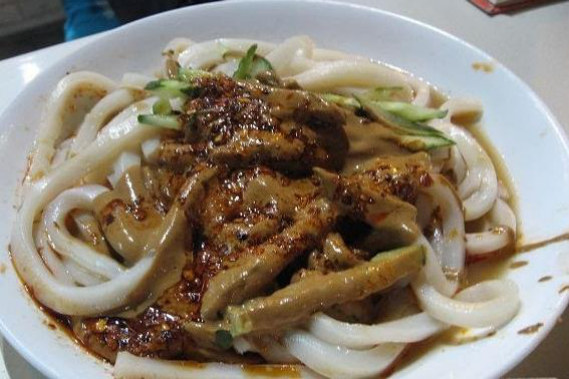
涼皮(リャンピ)
One of Shaanxi's most famous snacks. Thin sheets of cold rice noodles dressed with vinegar, chili oil, cucumber, and bean sprouts — tangy, spicy, and refreshing. There are three main styles: Qinzhen rice liangpi, Hanzhong hot liangpi, and Qishan hand-rolled liangpi. The halal sesame-paste version (majiang liangpi) is a Muslim-Quarter specialty, slicked with rich sesame sauce and chili. The classic 'Guanzhong Combo' is a bowl of liangpi, a roujiamo, and a bottle of Bingfeng soda or a bowl of eight-treasure porridge — the perfect summer lunch.
黄桂柿餅
A seasonal Xi'an pastry made from Lintong's famous fire-crystal persimmons — small, flat, deep-red fruits with thin skins, no pits, and honey-sweet flesh. The pulp is mixed with flour and osmanthus honey, stuffed with sweet fillings, and pan-fried into golden, crispy cakes — crunchy outside, soft and sweet within. Best eaten fresh and hot in autumn and winter when persimmons are at their peak. Lao Xu Jia on Bei Guangji Street is a beloved old stall, and you'll find them sizzling on griddles all over the Muslim Quarter.
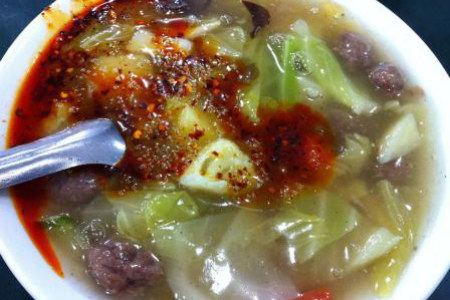
肉丸胡辣湯
The quintessential Xi'an breakfast — a thick, peppery halal soup of beef meatballs, potato, cabbage, and carrot, finished with sesame oil and chili oil. Locals crumble a tuotuo mo (flatbread) into the broth and eat it spoonful by spoonful, the warm five-spice beef flavor waking them up better than any coffee. Every morning, lane-side shops fill with early risers slurping down a bowl with a mo to start the day. It's the most authentic taste of everyday Xi'an.
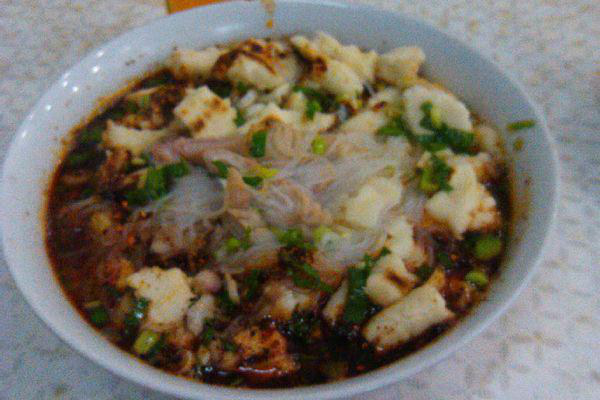
葫蘆頭泡馍
A celebrated Xi'an street snack (non-halal) dating back to the Song dynasty. The curious name 'hulutou' — 'gourd head' — comes from a Tang-dynasty legend: the physician Sun Simiao left a medicinal gourd at a pork-intestine shop to season the offal, transforming its flavor; the grateful owner hung the gourd above the door and named the dish after it. Like paomo, you tear a flatbread into the rich, milky-white broth, but here it's served with tender, clean-tasting pork intestine. Chun Fa Sheng on Nan Yuan Men is the most famous old shop — silky, fatty, fragrant, with no off-flavor at all.
Itinerary·推荐行程
西安での時間を余すところなく
日目 1旧市街:城壁・鐘鼓楼・回民街
- 午前南門(永寧門)から城壁へ——9:30の開城式を見て自転車を借り、13.7kmを一周(約80分)
- 午前遅く北へ歩いて鐘楼・鼓楼へ——四大通りを見下ろし、編鐘や太鼓の演奏を鑑賞
- 正午鼓楼裏の回民街で昼食——羊肉泡馍(モは小さくちぎる!)、肉夹馍、串焼き
- 午後書院門の書道街を経て碑林博物館(ガイド推奨)、その後は小雁塔と西安博物院へ
- 夕方回民街に戻って夕食——提灯に灯がともる時間帯。柿餅となつめのデザートを
日目 2盛唐の輝き:博物館・大雁塔・大唐芙蓉園
- 午前陝西歴史博物館に早めに到着——¥20の宝物館チケットで無料整理券の列を回避。周・秦・漢・唐の宝物を半日かけて
- 正午大雁塔周辺で昼食——慈恩鎮・大唐通易坊・大唐不夜城はどれも食芸街
- 午後大慈恩寺を見学し七層の大雁塔から市内を一望。周辺の無料広場を散策
- 夕方北広場の音楽噴水ショー(アジア最大)を鑑賞後、曲江池遺址公園を散歩
- 夜大唐芙蓉園の夜景——彩られる楼閣、「夢回大唐」公演(17:00)と水上映画(19:45)
日目 3東線:兵馬俑・華清宮・驪山
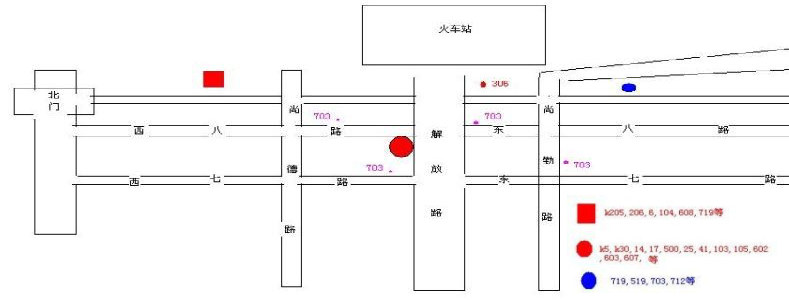
- 午前駅東広場から観光バス5(306)号で兵馬俑へ(¥7、1〜1.5時間)——客引きは無視、正規バスのみ
- 午前遅く兵馬俑の第一・二・三号坑と銅車馬展示館——ガイドを雇うと兵士たちが生きて見える
- 正午臨潼で昼食——油潑麺か大盤鶏を。その後無料シャトルで秦始皇帝陵(驪山園)へ
- 午後西安方面へ戻り途中下車して華清宮——唐代温泉遺構と西安事件の現場、驪山から「驪山晩照」を
- 夜4〜10月なら華清宮の屋外公演「長恨歌」を予約(¥268〜988)。中央A区がおすすめ
日目 4華山日帰り——「天下第一の険山」
- 早朝駅東広場から観光バスで華山へ(¥28、約2時間)——または華山駅行き列車(1.5〜2時間、約¥20)
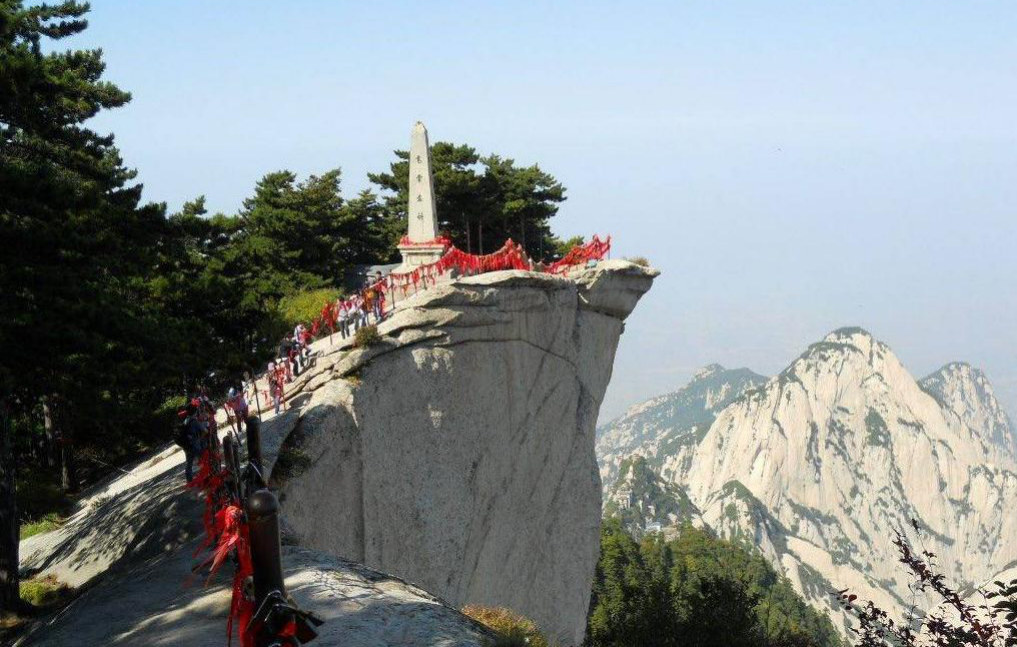
- 午前玉泉院を出発し「自古華山一条路」へ——千尺幢・百尺峡・老君犁溝の三大険を越えて北峰へ
- 正午蒼龍嶺(黒龍の背)〜五雲峰〜金鎖関を経て中峰へ。千尺の渓谷の絶景が続く
- 午後東峰(朝陽台)・南峰(最高峰2,154.9m)・西峰(断崖絶壁)へ——体力を温存したい人は西峰ケーブルカーで
- 夕方ケーブルカーで下山し、最終バス(17:00頃発)で西安へ戻る
Travel Tips·出行贴士
出発前に知っておきたいこと
🚄交通ガイド
- •西安咸陽国際空港は市中心から約25km——空港バスは6路線で¥25+燃料サーチャージ¥1。タクシーは約¥120
- •西安駅は在来線、西安北駅は高速鉄道専用。地下鉄2号線で市中心と直結
- •兵馬俑へは駅東広場から観光バス5(306)号(¥7、1〜1.5時間)——「陝西観光公交専線」の表示があるバスのみ乗車、客引きに注意
- •地下鉄2号線が南北を縦断(¥2〜4)。市バスは普通¥1/冷房¥2で、小銭の準備を
💡重要なヒント
- •陝西歴史博物館の無料券は事前予約——1日4,000枚限定(14:00以前に2,500枚)。¥20の宝物館チケットで列を回避
- •兵馬俑と碑林ではガイドを雇う——物語が呼び物を十倍楽しくする
- •回民街では回族の習慣を尊重:多くのハラル店は飲酒禁止、豚肉や血製品はなし
- •泡馍は平餅を自分で細かくちぎる——小さいほど味が染みて美味しい
- •「自分の畑から掘り出した」という「骨董品」はすべて贋作。本物の出土品は文物部門への報告対象です
🏨宿泊ガイド
- •鐘楼/回民街周辺(碑林区)——初めての西安に最適。主要観光地と屋台まで徒歩圏
- •大雁塔周辺(雁塔区)——静かで環境が良く夜景も美しい。中〜高級ホテルが集まる
- •節約派は湘子門・七賢などの四合院ホステル(1泊¥50〜)——碑林・雁塔の両区は治安も交通も良好
- •荷物を持っての到着時は駅周辺の白タクに注意。タクシーの交代時間(16〜17時)は捕まりにくい
📌予算と気候
- •西安は物価が優しい——3〜5日の予算は約¥2,000〜3,000。朝食は¥10前後、泡馍¥15〜20、肉夹馍¥5〜10
- •陝西観光年票(¥98)は城壁・大唐芙蓉園・高家大院など約100カ所に入場可——長期滞在なら超お得
- •寺社や博物館の入場料はやや高め。学生割引は半額でなく2〜3割のことが多い
- •乾燥して日較差が大きい——保湿と日焼け止めを。春(3〜5月)と秋(9〜11月)がベストシーズン
Must-Watch Vlogs·必看视频
本物の旅人が撮った西安動画を厳選
 Bilibili7:38
Two Days of Non-Stop Noodles in China's Carb Capital
Biangbiang noodles, paomo, cold skins — a complete checklist of Xi’an carb classics compressed into 8 minutes. Just order what he orders.
 Bilibili20:38
Xi'an Food Marathon with Two of China's Top Vloggers
Two of Bilibili's biggest creators eat their way through the Muslim Quarter. 5.3M plays and constant jokes — the funniest possible intro to northwestern food.
 Bilibili15:28
A Kazakh Family Lands in Xi’an on the New Visa-Free Policy
An extended Kazakh family crosses into China visa-free for the first time — a real sample of how overland entry and the first days in China feel now.
 Bilibili8:32
I Visited 3 Terracotta Warrior Museums — Only One Is the Real Pits
Several "terracotta warrior" venues compete for your ticket money in Xi’an. This compares the real pits with the imitators — watch before you book anything.
 Bilibili23:59
Mount Hua Plank Walk: Complete First-Person POV
Unbroken first-person POV of the famous cliff-side plank walk — you will know exactly what you are signing up for before you pay for the safety harness.
 Bilibili11:33
A Day as a Tang Dynasty Girl in Xi’an
Hanfu makeover plus a full Tang-costume day in the ancient capital — how to book the outfit, where to shoot, what it costs.
Curated Guides·精选攻略导航
ウェブから集めた西安のおすすめリソース
The community guide to the ancient capital — city wall, warriors, Muslim Quarter, with honest food listings and transport detail.
Moments·城市瞬间
西安の瞬間
Local Partners·本地合作伙伴
西安の認定ガイド・ドライバー・サービス
Li Na — Xi'an Licensed Tour Guide
✓ 認定パートナーLicensed national guide. Terracotta Army deep dives and Muslim Quarter food walks with real history.
Silk Road Explorers — Xi'an Agency
Xi'an classics plus Huashan sunrise and Luoyang Longmen Grottoes extensions.
More Destinations·更多目的地
中国北西部